Is Castlerigg Stone Circle free to visit?
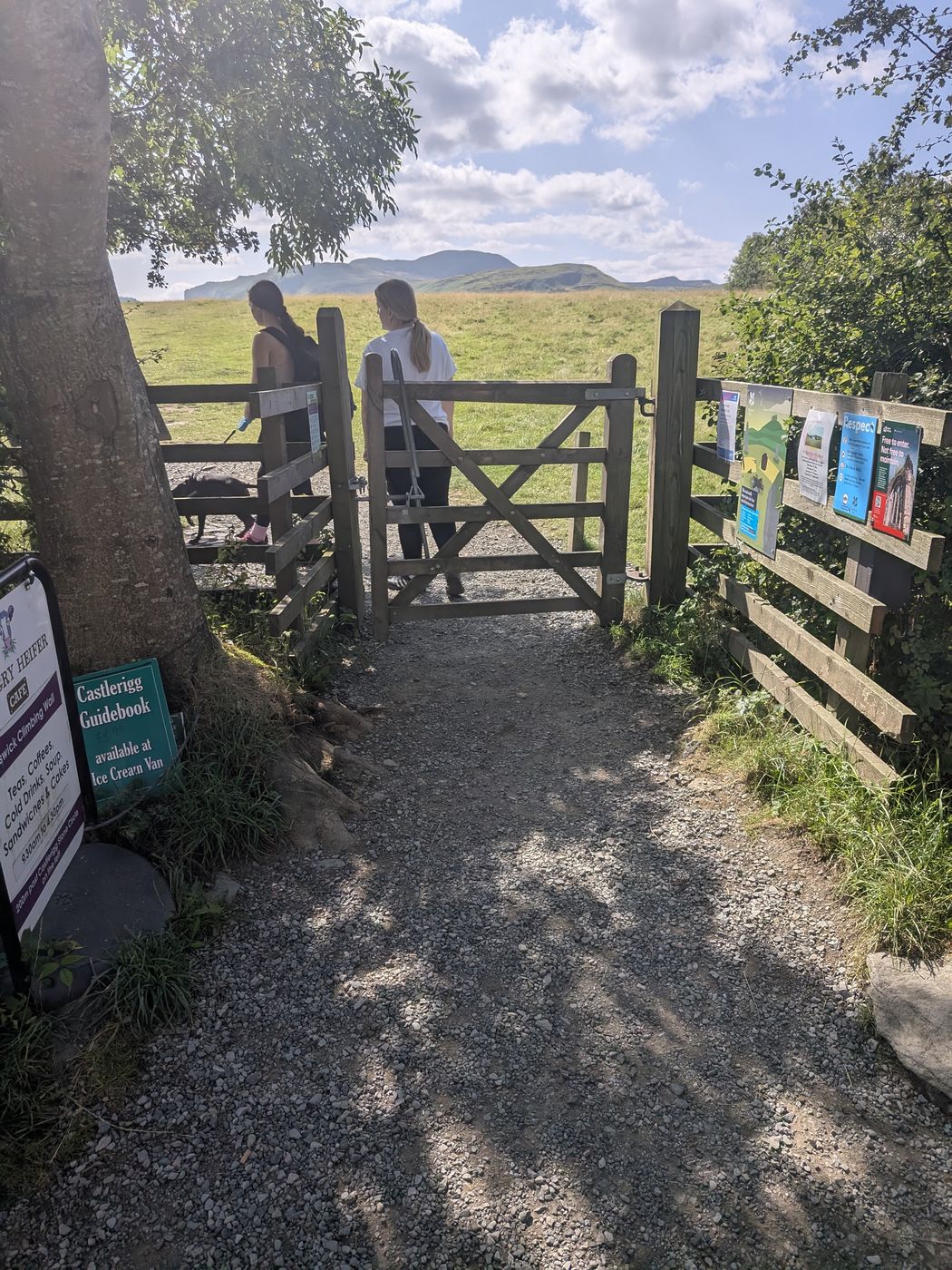
Yes. It is free, there are no tickets and there is no admission point — you walk in through a gate off the lane and the field is simply open. The site is owned by the National Trust and cared for by English Heritage. There is nobody to pay and nothing to book.
Do you need tickets for Castlerigg Stone Circle?
No — no ticket, no booking, no admission desk. Because it is open access rather than a managed attraction with a gate to lock, it has no closing time either. That is what makes sunrise and sunset visits possible without arranging anything.
Can you drive to Castlerigg Stone Circle, and where do you park?
Yes. The lane runs right past the circle, and there is a layby on the road outside it with room for around 10–15 cars — and it fills up, early on fine days and through the school holidays. The lane is narrow, so a failed attempt is awkward to unpick; have a plan B. The alternative that always works is to leave the car in Keswick and walk up, about a mile and a half from the town centre. The layby's what3words square is in the parking section above.
How old is Castlerigg Stone Circle?
Nobody is certain, and the sources genuinely disagree. It is commonly given as between about 4,500 and 5,000 years old. English Heritage, who care for the site, put it at around 4,500 years — late Neolithic — and note that there have been no excavations since 1882, so the dating rests on comparison rather than dug evidence. They record Aubrey Burl's 1976 argument for roughly 5,200 years but consider the supporting evidence weak. The familiar "5,000 years old" comes from the popular dating of around 3000 BC.
How many stones are there at Castlerigg?
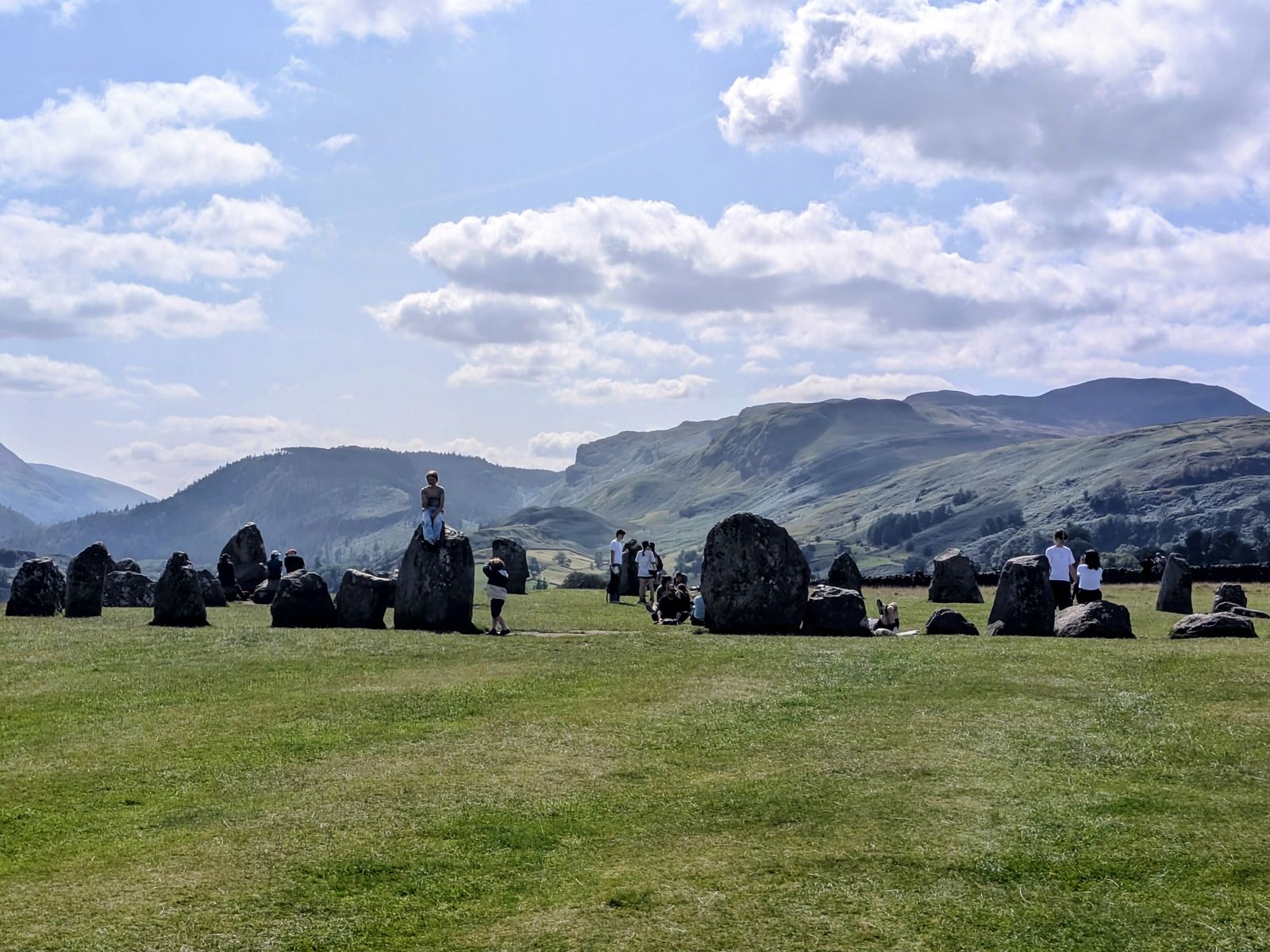
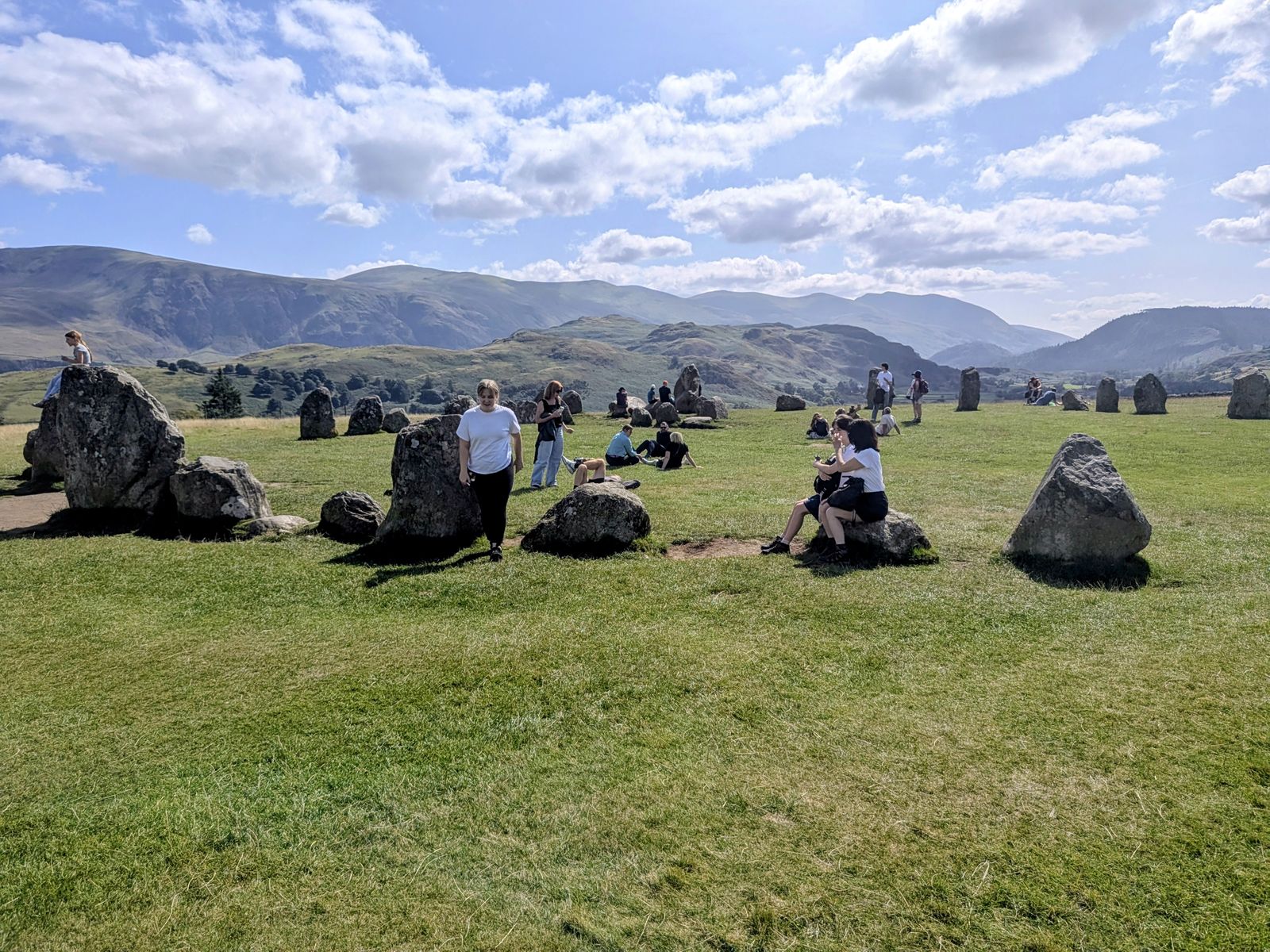
Thirty-eight standing stones make up the ring, with a further rectangular setting inside the eastern side known as the Sanctuary. Counting them on the ground is harder than it sounds — some are low, and on a summer afternoon several will have somebody sitting on them.
What is the best time of day to visit?
Early morning or the last hour before sunset — better light and far fewer people. The middle of a summer day is busy, and midday light flattens both the stones and the fells behind them. If having the place to yourself matters more than anything else, go early rather than late.
Can you walk to Castlerigg Stone Circle from Keswick?
Yes, and it is the better way to arrive — about a mile and a half from the town centre. The full circular is roughly five miles and takes two and a half to three and a half hours with stops, going out along the old railway path and coming back down a steep field path. See the
Castlerigg Stone Circle walk for the route.
Are dogs allowed at Castlerigg Stone Circle?
Yes, on a lead. The circle stands in a working field with livestock in and around it, so a lead is not optional here. Cass, our Staffordshire Bull Terrier, did the whole circular route from Keswick and back.
Are there toilets at Castlerigg Stone Circle?
Not at the circle — there are no facilities of any kind in the field. The nearest are at the Hungry Heifer Café at Keswick Climbing Wall, a short walk along the lane, and at Castlerigg Gallery at Castlerigg Hall. Both keep their own hours, so check before travelling if that matters to your day.
How long do you need there?
Half an hour covers walking round it and taking photographs. An hour is better — the skyline is the attraction, and the skyline changes as cloud moves across the fells. Plenty of people bring a flask and stay a good deal longer than they planned to.
Who owns Castlerigg Stone Circle?
The National Trust owns the land, and English Heritage looks after the monument. The field was bought for the nation in 1913 by local subscription, in a campaign associated with Canon Hardwicke Rawnsley, the Keswick vicar who was one of the founders of the National Trust. That is why you can walk into it for nothing today.
Is Castlerigg Stone Circle worth visiting?
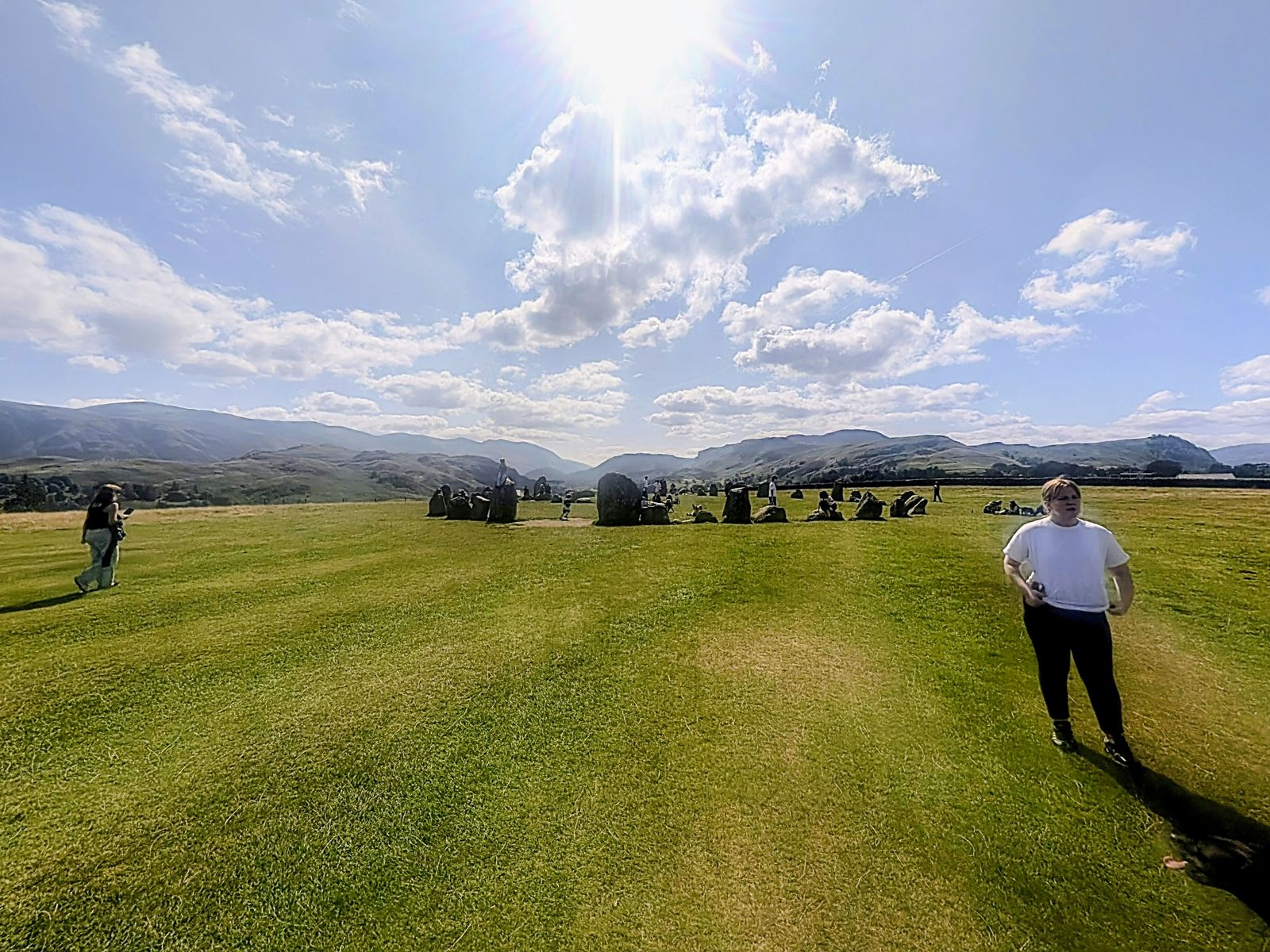
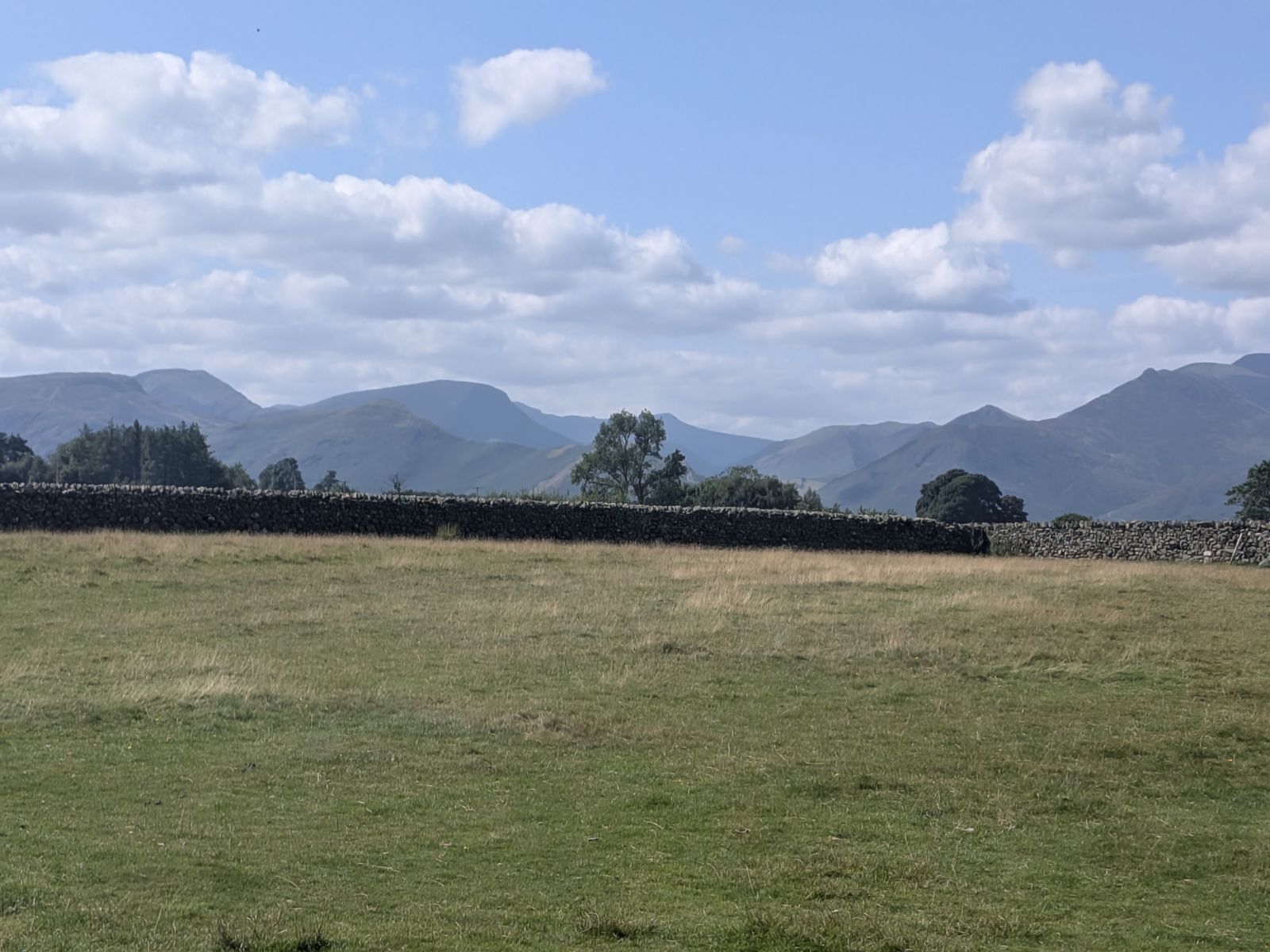
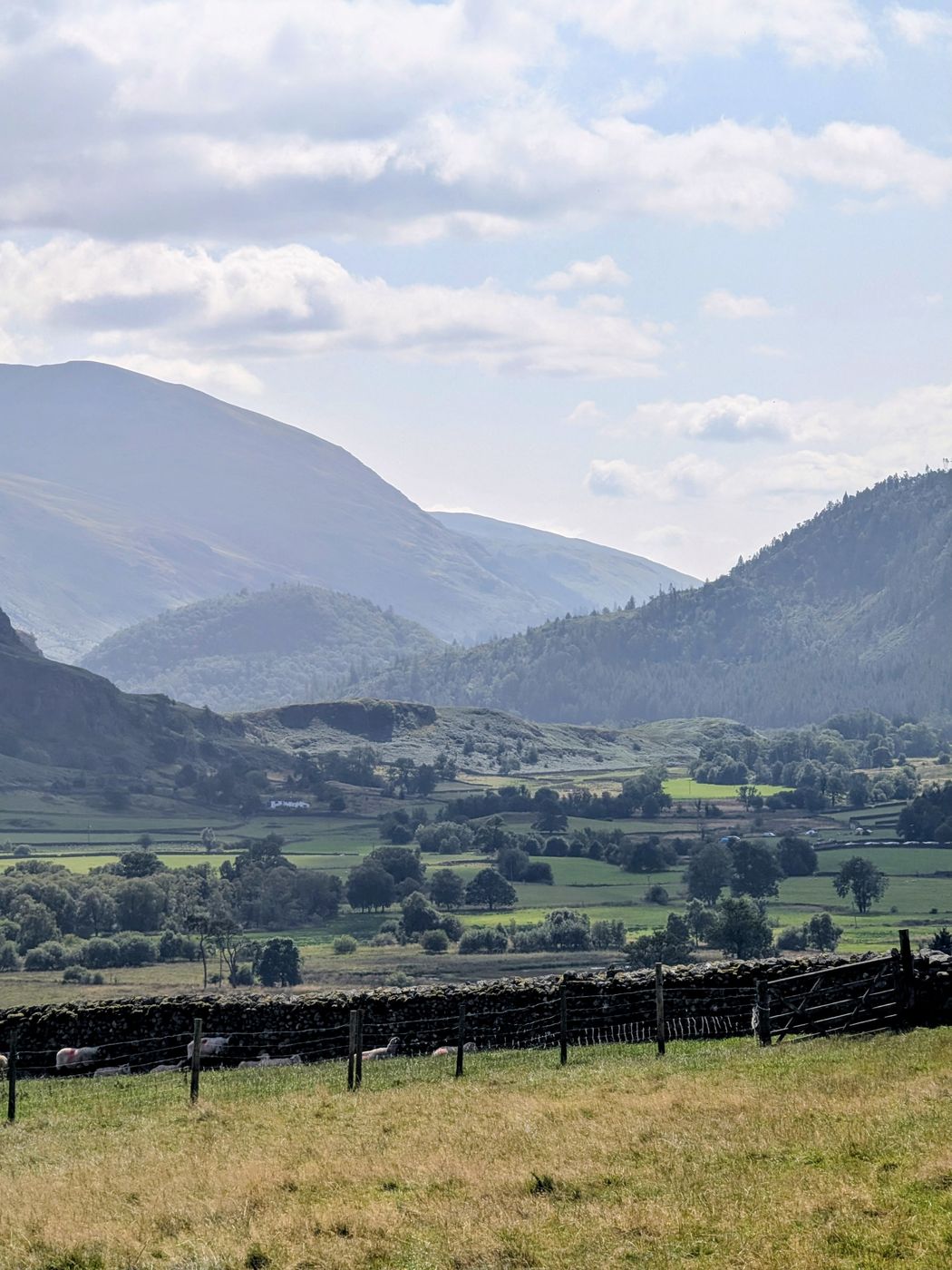
Yes, with one honest caveat. The stones themselves are modest, and if you arrive expecting Stonehenge you will be underwhelmed in about ninety seconds. What you come for is the setting: fells standing all the way round the horizon, and the view south down St John's in the Vale. Give it long enough for the light to move across the fells and it lands very differently. It is free, it takes half an hour to an hour, and it is a mile and a half from Keswick.
What was Castlerigg Stone Circle used for?
Nobody knows for certain, and anyone who tells you otherwise is guessing. The National Trust board at the circle describes it as understood to be a place of ceremony and exchange rather than a settlement, somewhere people came together and goods moved between groups, at a time when Cumbria was producing and trading stone axes on a serious scale. Beyond that framing, the honest answer is that its purpose is genuinely uncertain.