Possibly Mayburgh Henge
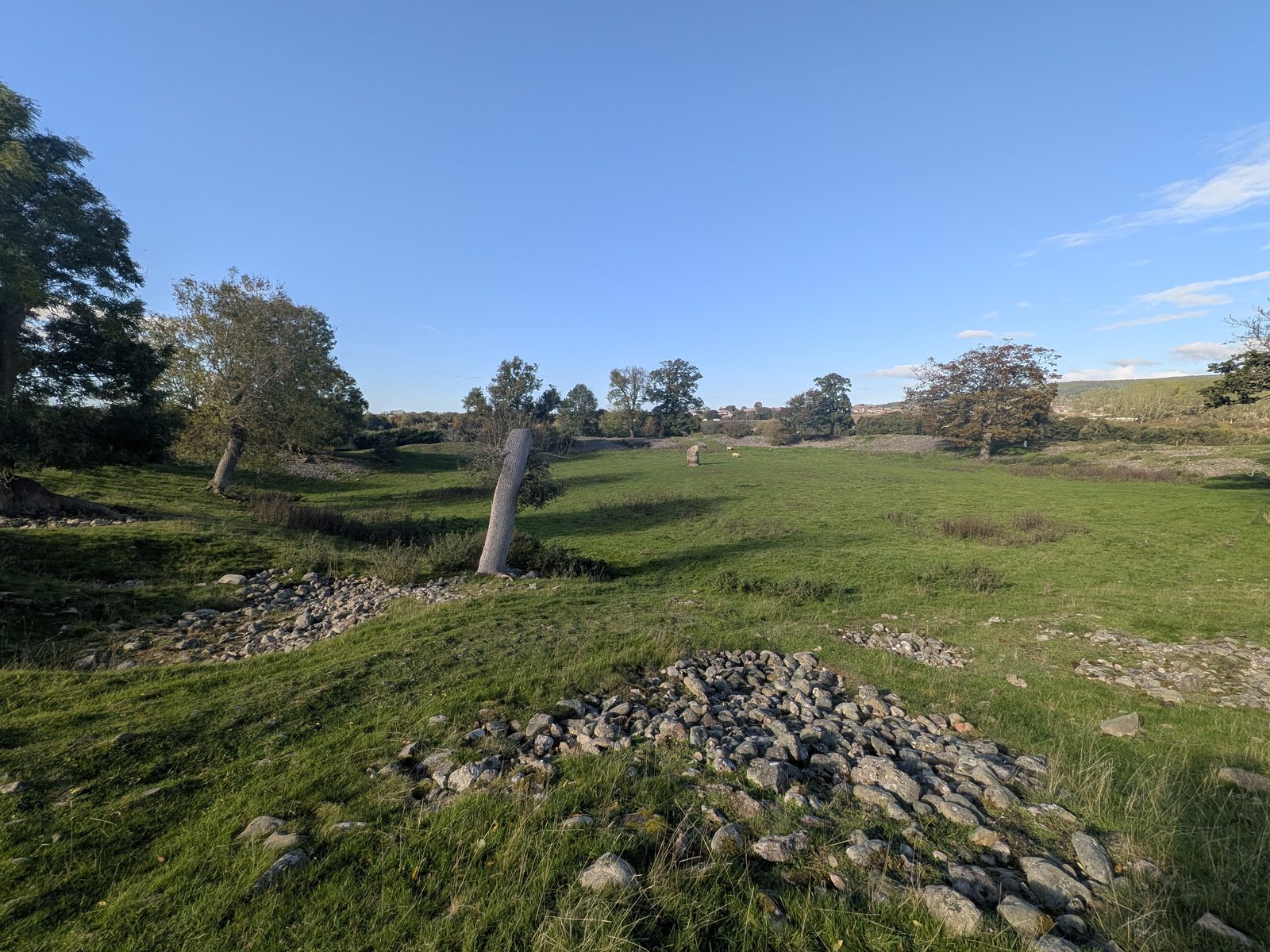
A huge ring of river cobbles with one standing stone left in the middle, about 4,500 years old by English Heritage's dating. The 2027 Ceremony of the Kings is planned here. More on the henge itself on our Eamont Bridge walk.
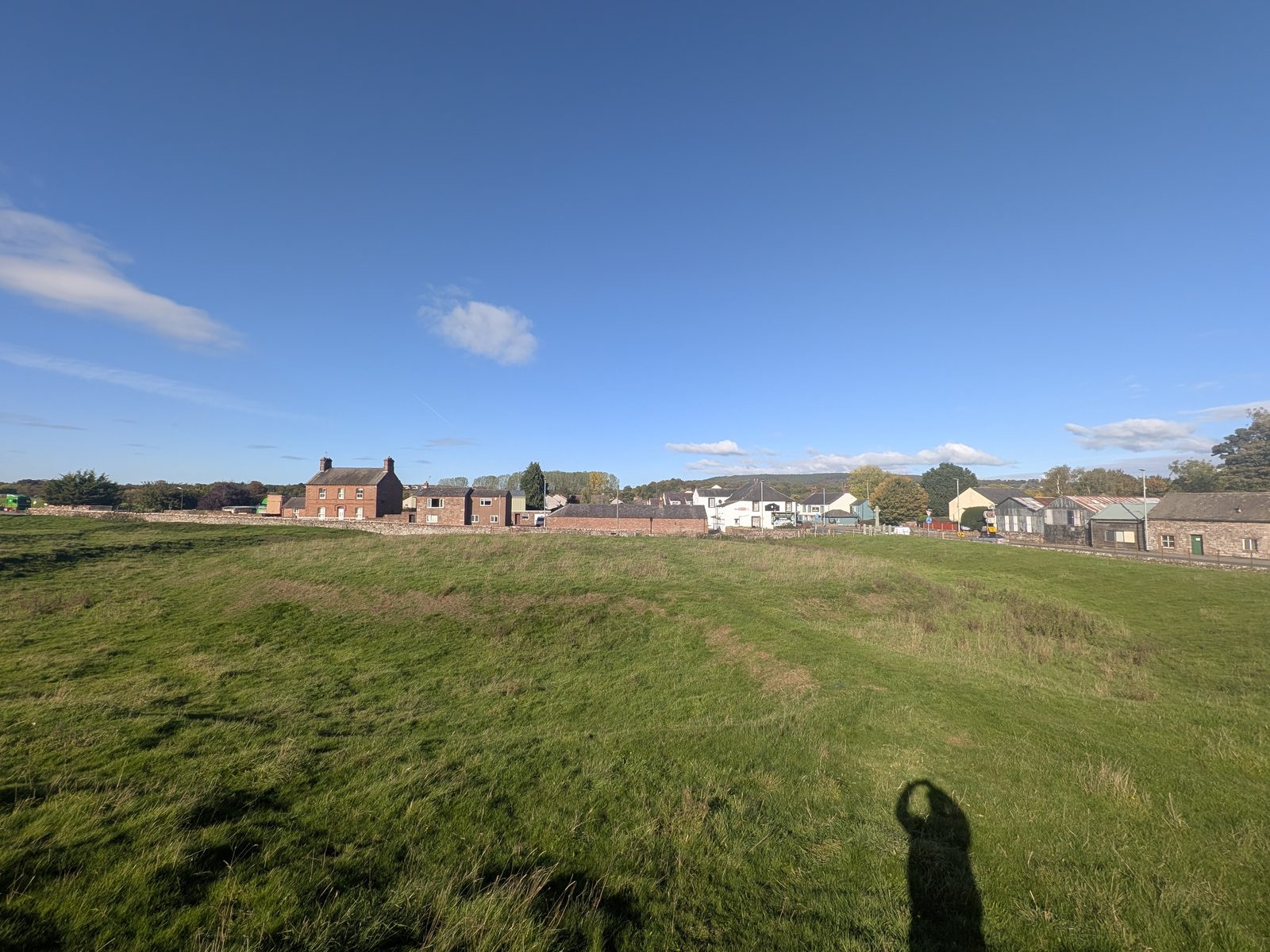
In 927 the rulers of the north and of Wales met King Athelstan at Eamont, and the meeting is generally seen as the founding of England. What happened, where it may have been, and the anniversary festival in July 2027, from a family who live a mile away.
The short answer
England is generally seen as founded on 12 July 927. That day, according to the Anglo-Saxon Chronicle, the rulers of the north and of Wales met King Athelstan at a place it calls Eamotum and made peace with him. Eamotum is taken to be the land around Eamont Bridge, a mile south of Penrith.
So how old is England? In July 2027 it is 1,100 years since that meeting, and there is a festival here to mark it.
We live a mile from Eamont Bridge, and the henges where the kings may have met are part of our walks. For all its history, there is nothing on the ground marking 927 yet: no sign, no plaque, no board. We'll update this page when something goes up.
The meeting of kings
The Anglo-Saxon Chronicle says Athelstan "governed all the kings that were in this island" and names them: Hywel, king of the West Welsh; Constantine, king of the Scots; Owain; and Ealdred, son of Eadwulf, of Bamburgh. The Chronicle puts Owain in Gwent. William of Malmesbury, writing later, makes him Owain of Strathclyde, and the local Eamont 927 project follows him. Ealdred ruled northern Northumbria, but he wasn't a king.
They made their agreement "with covenants and oaths" at Eamotum, on the fourth day before the ides of July, which is 12 July in our calendar. They renounced idolatry, and then went home in peace. The Eamont 927 project reads the idolatry part as a promise not to make alliances with the pagan Vikings.
Wikipedia says the northern rulers accepted Athelstan's overlordship, and that his triumph brought seven years of peace in the north.
927 was also the year Athelstan took York, the last Viking stronghold, and started calling himself king of the English. Wikipedia says the meeting at Eamont is generally seen as the date the Kingdom of England was founded, and that modern historians regard Athelstan as the first King of England.
His hold on the north didn't last unchallenged: Wikipedia notes that it was his successors who conquered Viking York for good, and that his position in the north was much shakier than in the south. You'll also hear it called the "Treaty of Eamont" and the meeting of "five kings". Both are later labels: the Chronicle says agreement, not treaty, and Ealdred wasn't a king.
Nobody knows the exact spot
The Chronicle only says Eamotum. The Eamont 927 Partnership takes it to be the land between the rivers Eamont and Lowther, a meeting place since before the Romans. English Heritage, one of the partners, names three possible sites there, all within a short walk of each other.
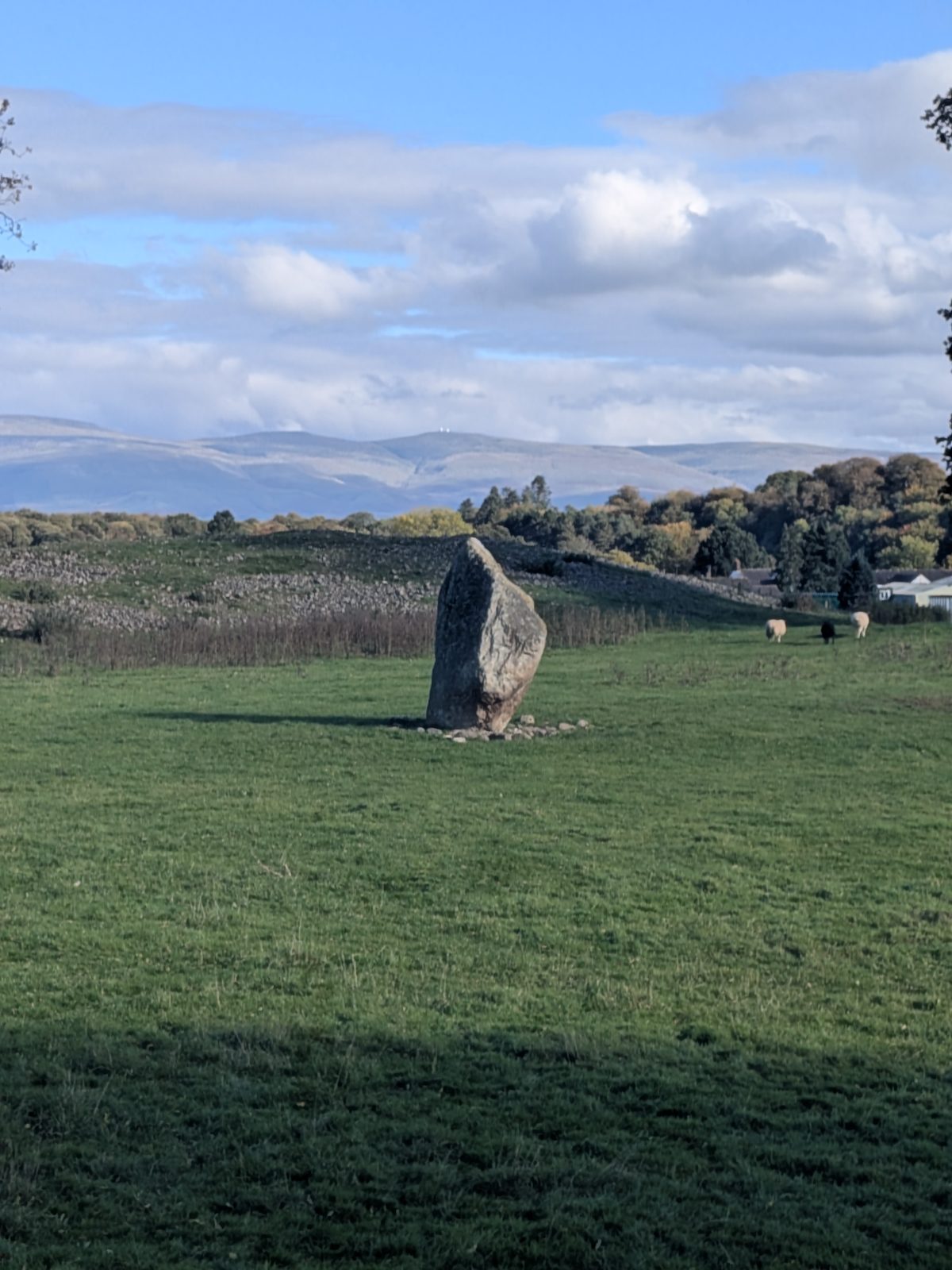
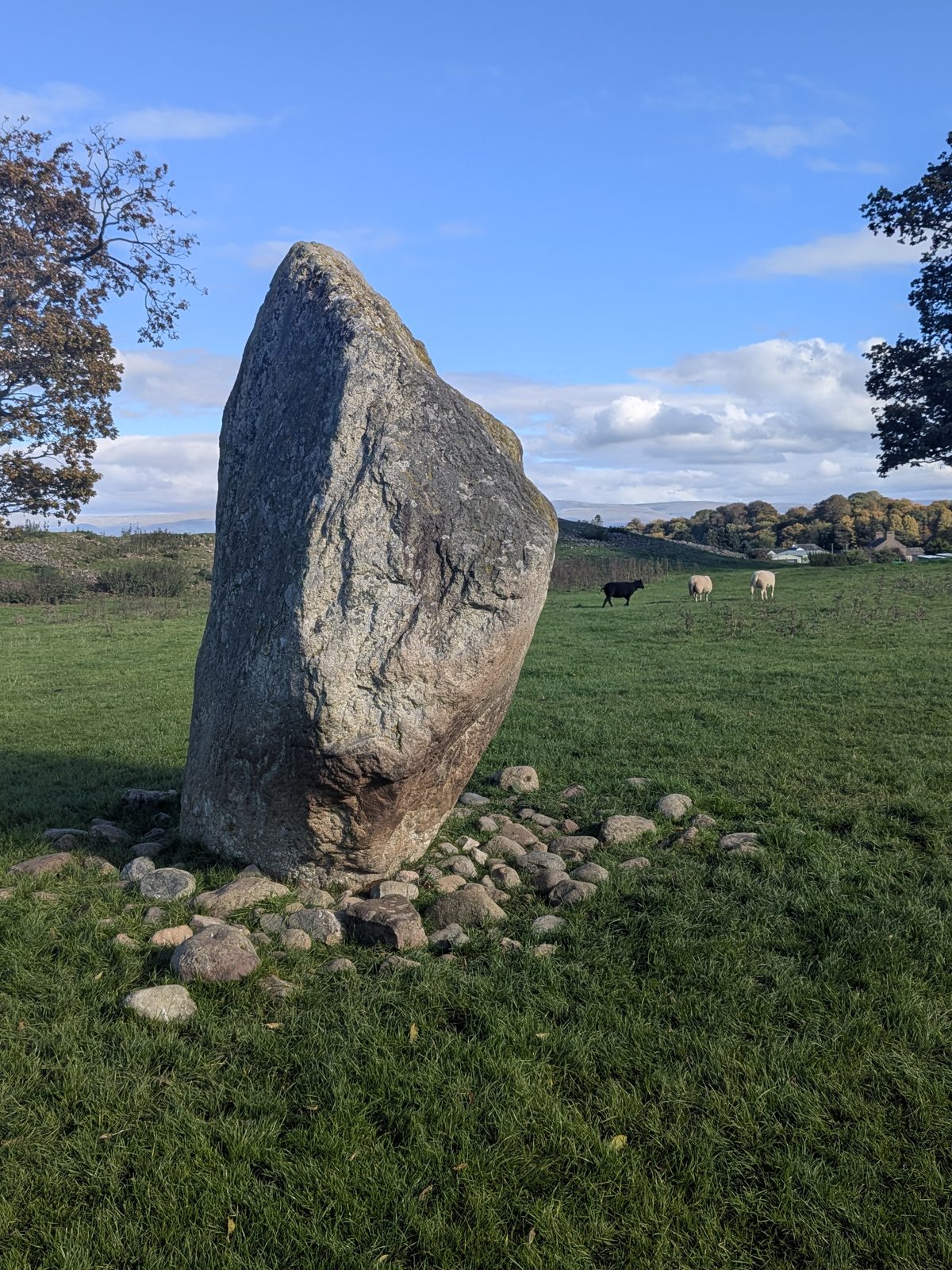
A huge ring of river cobbles with one standing stone left in the middle, about 4,500 years old by English Heritage's dating. The 2027 Ceremony of the Kings is planned here. More on the henge itself on our Eamont Bridge walk.
The smaller henge less than 400 metres east of Mayburgh, by the road through the village. It has nothing to do with King Arthur. More on it on our walk page.
The Roman fort of Brocavum, beside Brougham Castle, where the Eamont and the Lowther meet. English Heritage lists it as the third possible site. You can see its earthworks from the top of the castle keep.
William of Malmesbury put the meeting at Dacre, a few miles west, though historians doubt him. The Eamont 927 project tells his version: Constantine and Owain came to the monastery at Dacre to make peace, and Athelstan stood godfather to Constantine's son.
Go and stand there
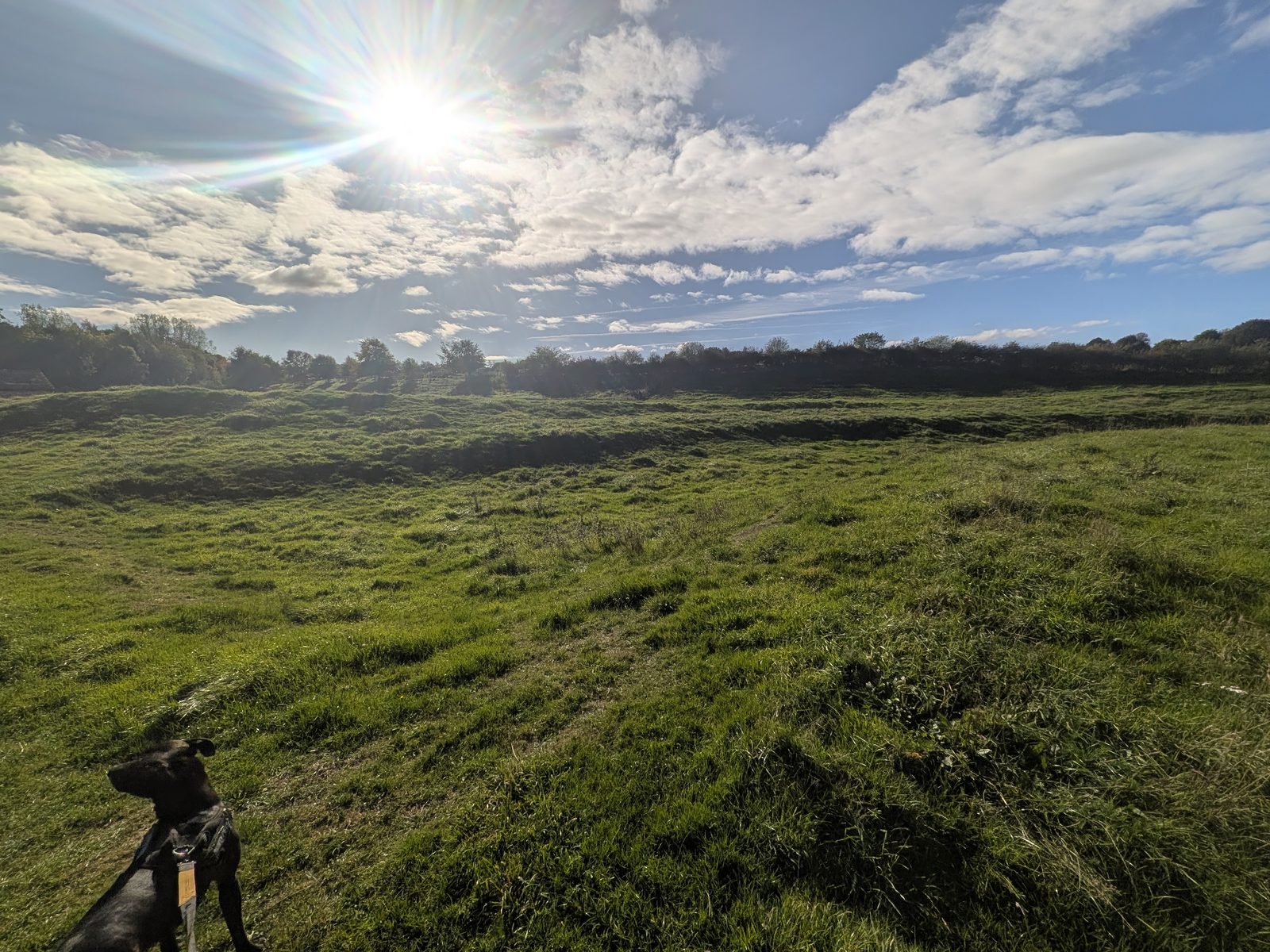
Both henges are English Heritage sites, free, and open at any reasonable time in daylight. Ten minutes at each is plenty, and they are a few hundred metres apart.
Parking. Mayburgh Henge has a small parking area for six or seven cars at ///opposing.brings.ditching. King Arthur's Round Table has a layby for about three cars right outside, at ///enlarge.terms.commuting.
Walk all three. Our Eamont Bridge circular takes in both henges, Brougham Hall and Brougham Castle, beside the Roman fort, in 4.6 miles. It took us just over two hours with stops.
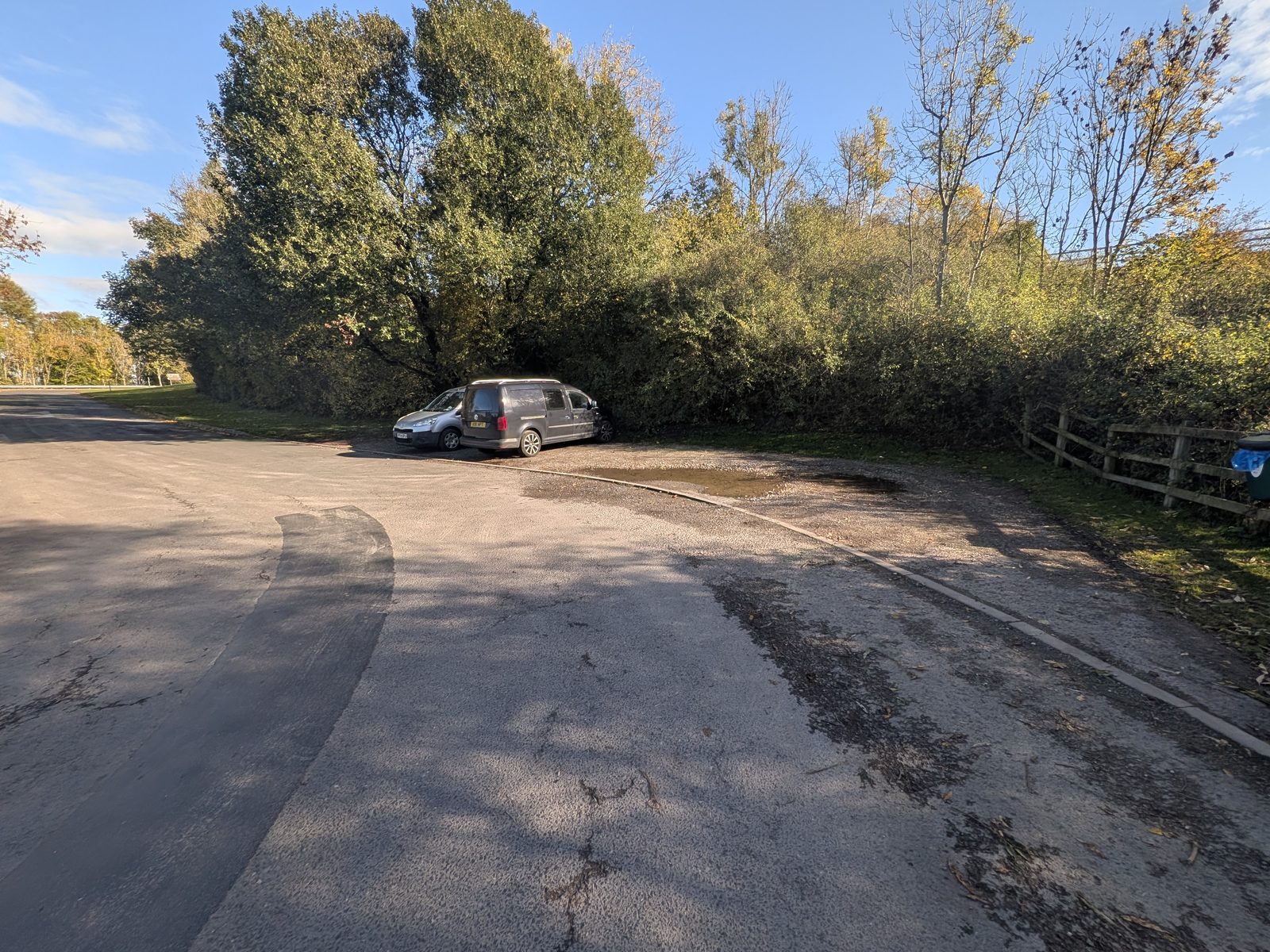
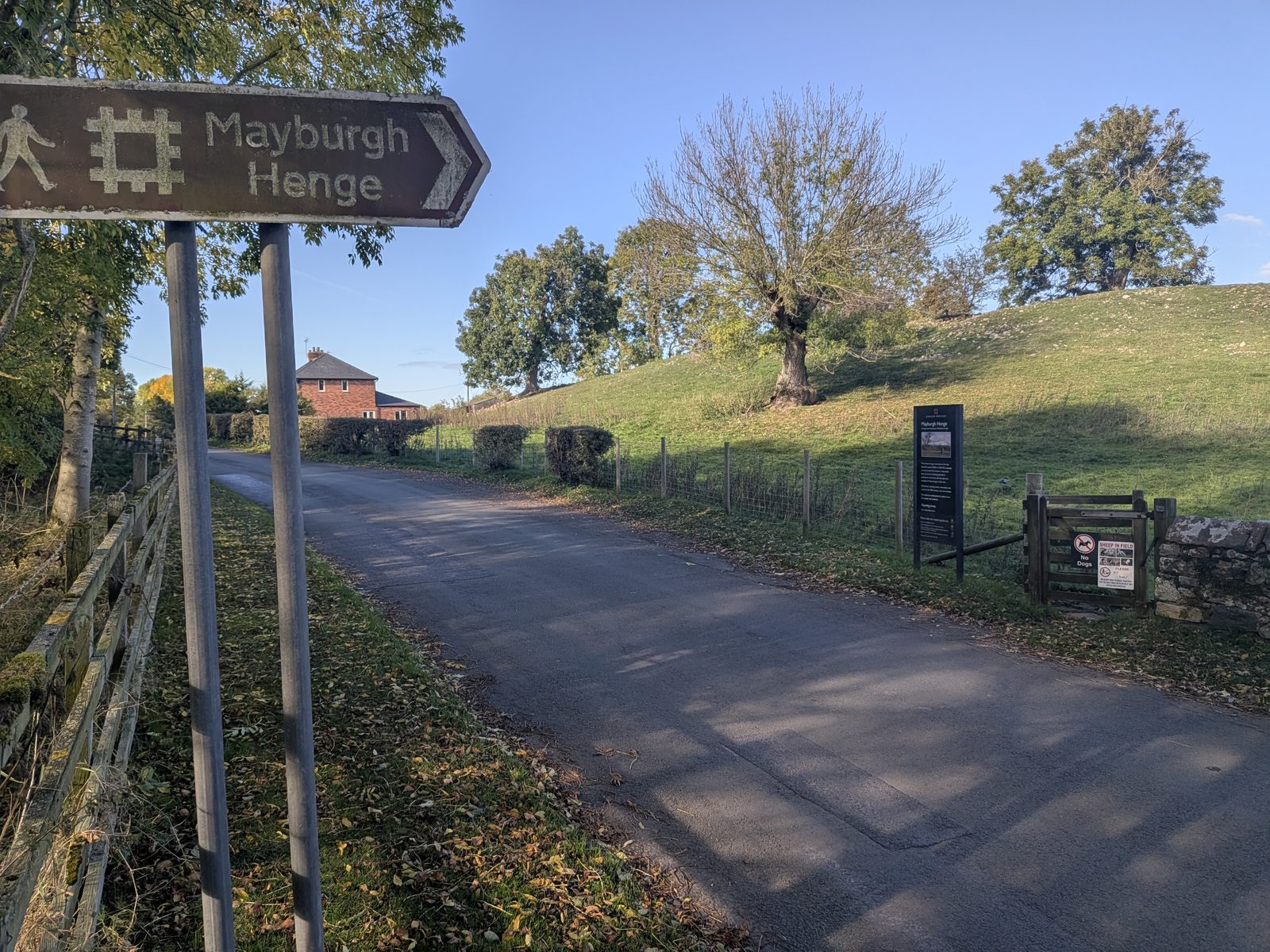
Dogs. Sheep graze at Mayburgh, and on our visit a farmer's sign at the gate said no dogs. Follow the sign on the day.
Food. We finished at The Beehive in Eamont Bridge, which has a big garden. The Hideaway Café at Brougham Hall is on the walk.
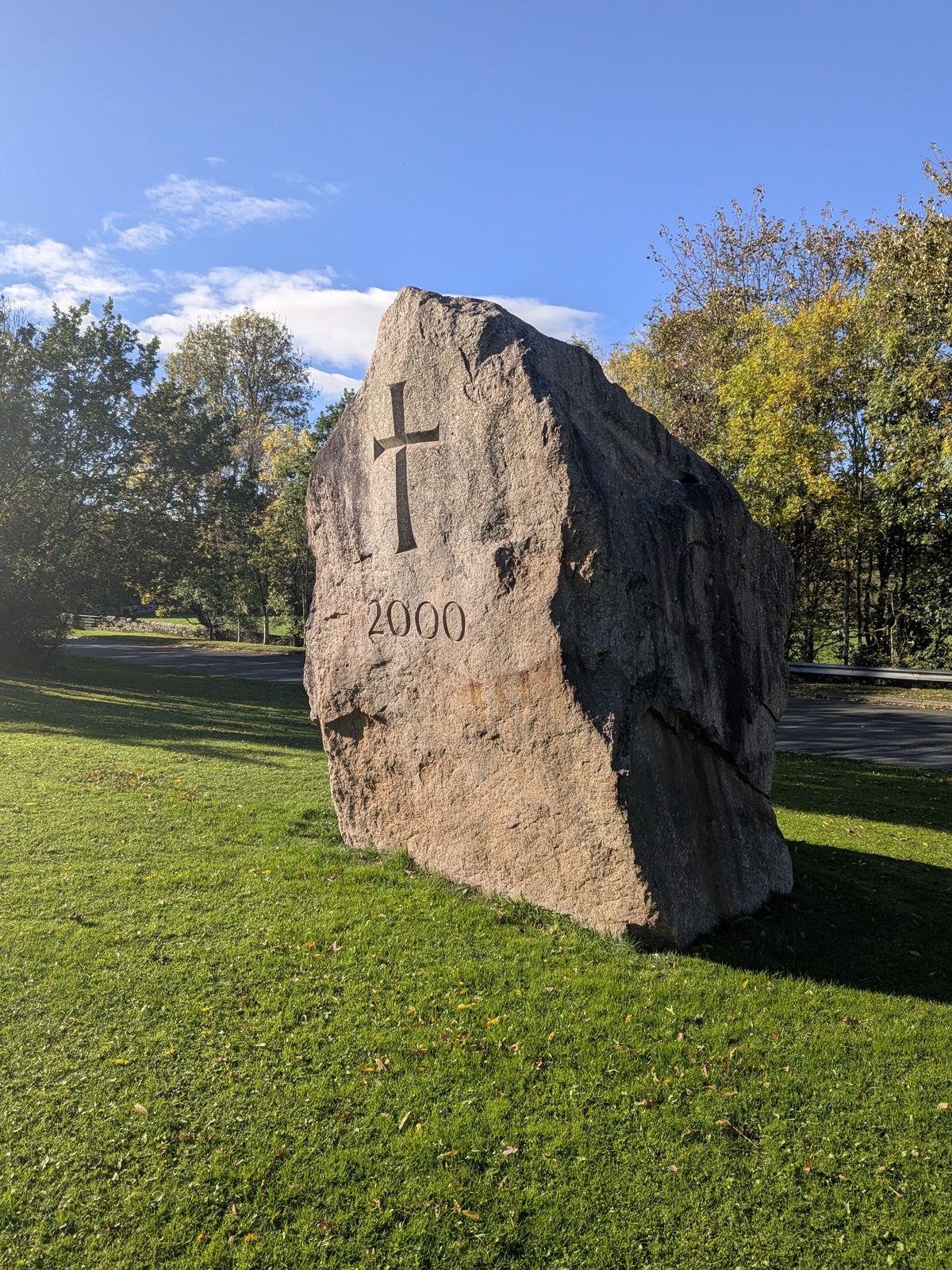
The stone you'll see beside Mayburgh isn't a 927 memorial. The Eden Millennium Monument is a granite block carved with a cross and "2000"; its plaque says it was dedicated on 2 July 2000 by the Bishop of Penrith.
England's 1,100th
The Eamont 927 Partnership, chaired by Lord Inglewood, is running the festival at Eamont near Penrith. It is organised through the E927 Community Interest Company, which four Westmorland and Furness councillors set up in May 2026; its directors are unpaid volunteers.
Last checked 18 October 2026. The programme is still being announced, so check the partnership's events page before you go.
We'll be at the Ceremony of the Kings at Mayburgh on 12 July 2027, and we'll update this page that week with our photos and how it went. If you are coming, bear in mind that the henges have parking for only a handful of cars, so expect it to be far busier than usual.
Beyond Eamont
Not in England, as things stand. As of October 2026, gov.uk's published list of 2027 bank holidays for England and Wales doesn't include 12 July. In Northern Ireland 12 July is a bank holiday every year, for the Battle of the Boyne, which has nothing to do with 927.
There has been a national push for one. A petition on the Parliament website called for a one-off bank holiday on 12 July 2027 for the 1,100th anniversary, and the call was covered by the Telegraph and the Daily Mail in December 2025 and by the Daily Express and the Daily Mirror in June 2026. Tim Farron tabled an early day motion in June 2026 on the birth of England in Westmorland in 927.
Outside the local partnership, the Kettering-based Birth of England Project has a crowdfunder on Crowdfunder UK, raising money for a festival at Brougham Hall in July 2027.
Good to know
Keep exploring
The 4.6-mile circular past both henges, Brougham Hall and Brougham Castle.
The castle beside the Roman fort of Brocavum, on the River Eamont.
The hall due to host the Court of Athelstan in 2027.
Where to stay, eat and park for the festival weekend.