The bee garden
Planted for the hives it hums around — a working garden, and a brilliant one for kids to stand still in.
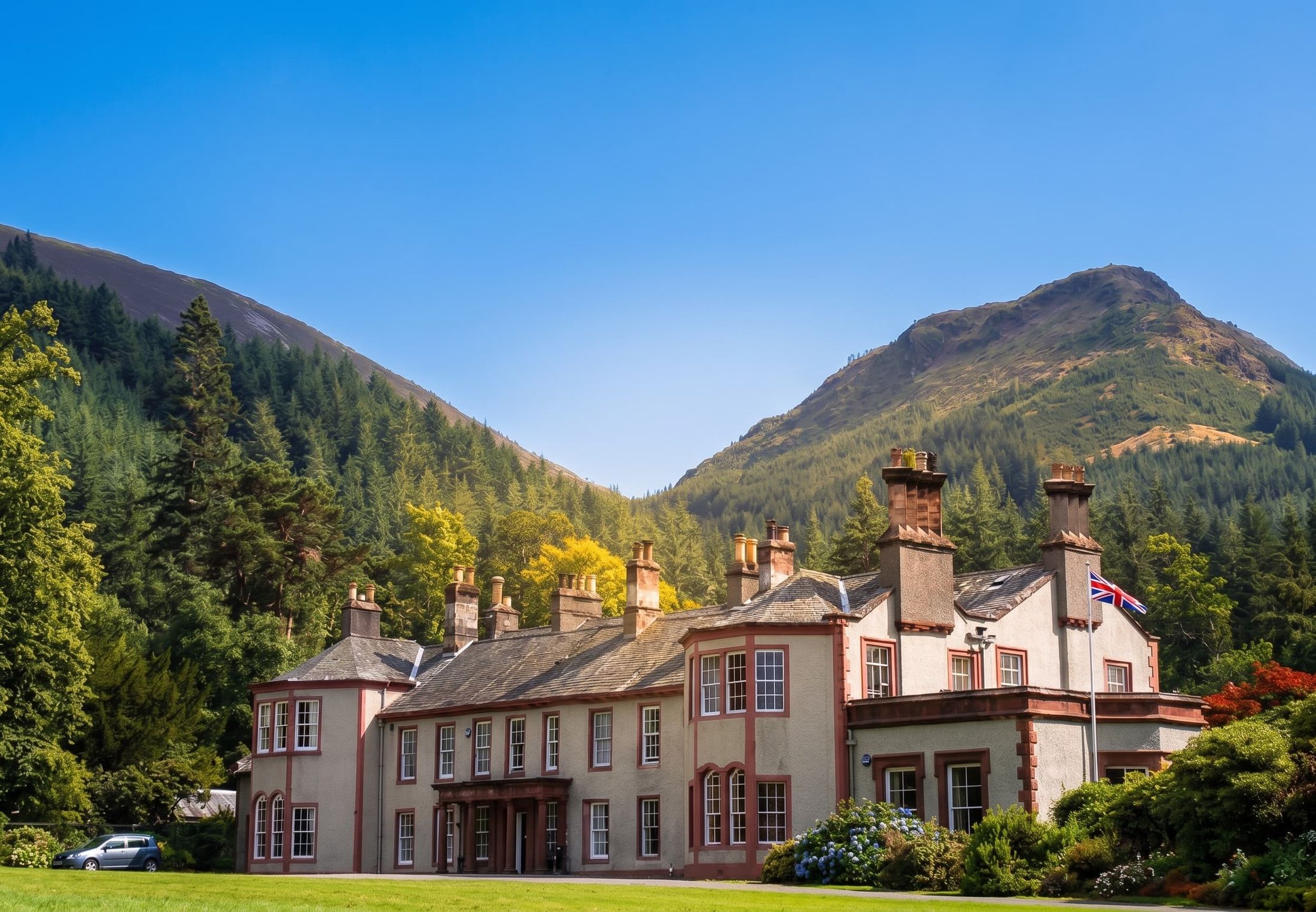
A lived-in 17th-century house where Tennyson wrote, with four woodland playgrounds, a heather maze, and a lakeshore walk to an ancient church. Honestly one of the best family tickets in the northern Lakes.
Historic house & gardens
Mirehouse is a 17th-century family home on the eastern shore of Bassenthwaite Lake, three to four miles north of Keswick — and the operative word is home. Built in 1666 and lived in by the Spedding family since 1802, it isn't a velvet-rope stately pile: it's a house with a family in it that opens its ground floor, gardens and parkland to visitors, and has done since 1981. In 1999 it was named the "Best Heritage Property for Families in the UK" — and a visit makes it obvious why.
Let's be straight about one thing up front, because we always are: Mirehouse is a paid, ticketed attraction — unlike the free forest walk at Dodd Wood directly across the road. You buy a grounds ticket or a house-and-grounds ticket, and what you get for it is a proper half day: the literary house, the gardens and heather maze, four woodland adventure playgrounds, and the parkland walk down to the ancient St Bega's church and the Bassenthwaite jetty. Current times and prices are covered — honestly — in the visiting section below.
If you're hunting "stately homes in the Lake District", Mirehouse is the counter-intuitive pick: smaller than the famous names, far more personal, and the one your kids will actually ask to go back to.
Poets, painters & manuscripts
The reason a modest Cumbrian manor punches so far above its weight is James Spedding and the circle he drew here in the nineteenth century. Alfred Tennyson stayed at Mirehouse and worked on Morte d'Arthur during his visit — the lakeshore below the house, with St Bega's church in the fields, is said to have fed the poem's imagery — and he came back on his honeymoon in 1850, the year he became Poet Laureate. Wordsworth and Southey knew the house well from up the road; Thomas Carlyle was a devoted correspondent and guest; John Constable connections hang on its walls; and Spedding himself spent thirty years editing the works of Francis Bacon, whose manuscripts remain part of the house's collection.
What you actually see is the ground floor — the rest is the family's private home, which is exactly what makes it feel alive rather than embalmed. Rooms are unroped, guides talk to you like a guest rather than a queue, and in the Music Room there's live piano most open afternoons — you hear the house before you see half of it. The house opens on Wednesday and Thursday afternoons — plus Sundays in August — from 1.30pm (the grounds open daily, far longer); full days and times are in the visiting section.
Outside
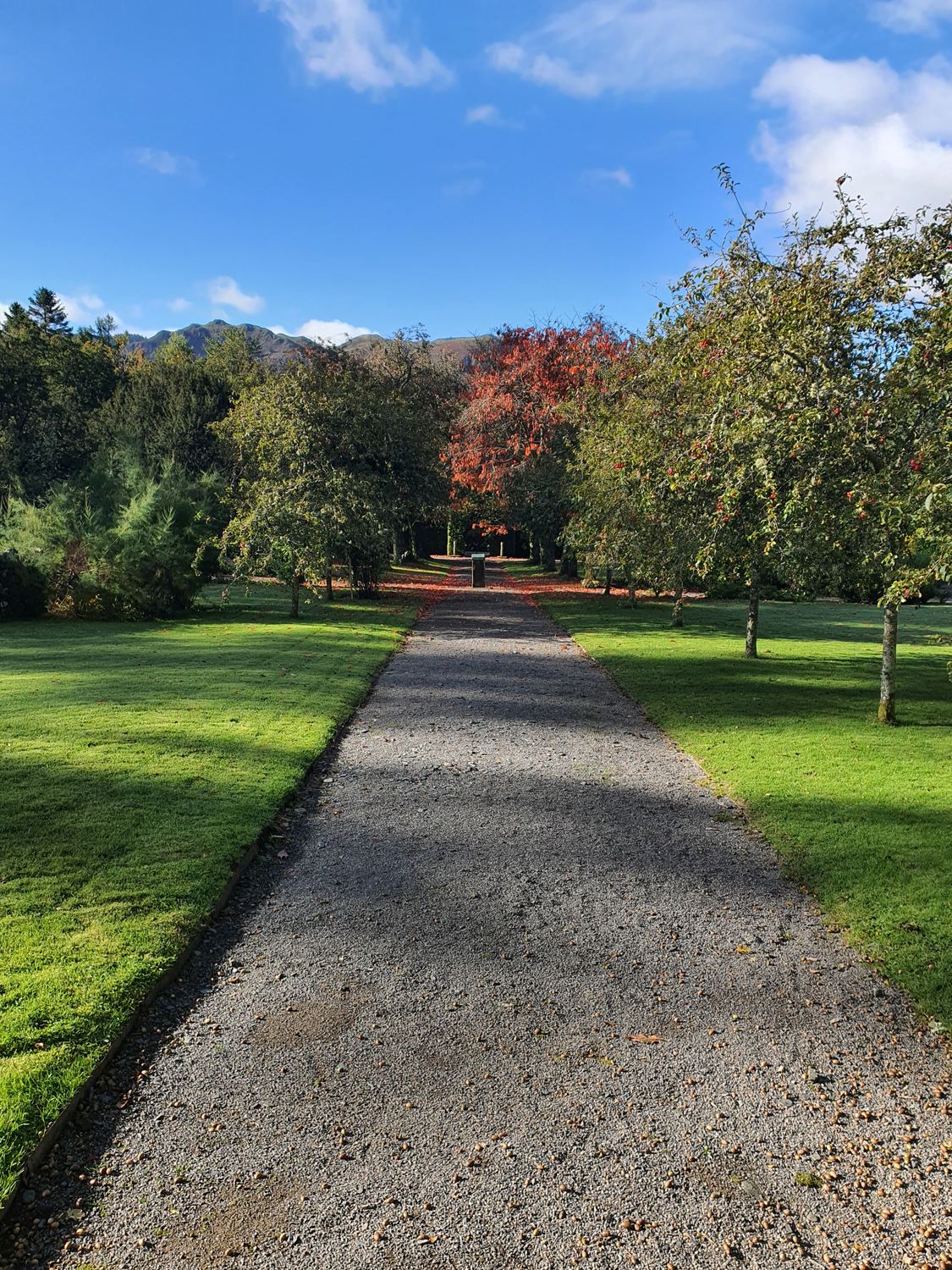
Not one showpiece garden but a string of small, characterful ones threaded between the house and the woods.
Planted for the hives it hums around — a working garden, and a brilliant one for kids to stand still in.
A maze grown from heather rather than hedge — low enough that parents can see over, tangled enough that under-10s cannot.
Verses posted through the rose garden — the house's literary history carried outdoors, gently.
Left long on purpose — best in early summer when the meadow is up and the orchard is in leaf.
A quiet, wooded corner with a story in its name — one of those spots people find on a second visit and claim as theirs.
The classic view: lawns stepping down from the house with Bassenthwaite and the fells beyond. April–May is peak — the rhododendrons and azaleas go off like fireworks.
The secret weapon
Here's what separates Mirehouse from every other historic house within an hour: four woodland adventure playgrounds, scattered along the walks so that children discover them rather than queue for them — including the "Living Willow", grown as much as built. Add the heather maze, a nature trail, and parkland where kids can simply run, and you have the rare heritage day out where the under-tens set the pace and nobody has to whisper.
The 1999 "Best Heritage Property for Families in the UK" award wasn't a fluke — the whole site is designed on the assumption that children are guests, not hazards. The honest playbook: grounds ticket, playgrounds and maze first, picnic on the lawns, then the lakeshore walk to St Bega's when energy dips. Dogs stay on leads in the grounds and sit out the playgrounds.
The walk everyone remembers
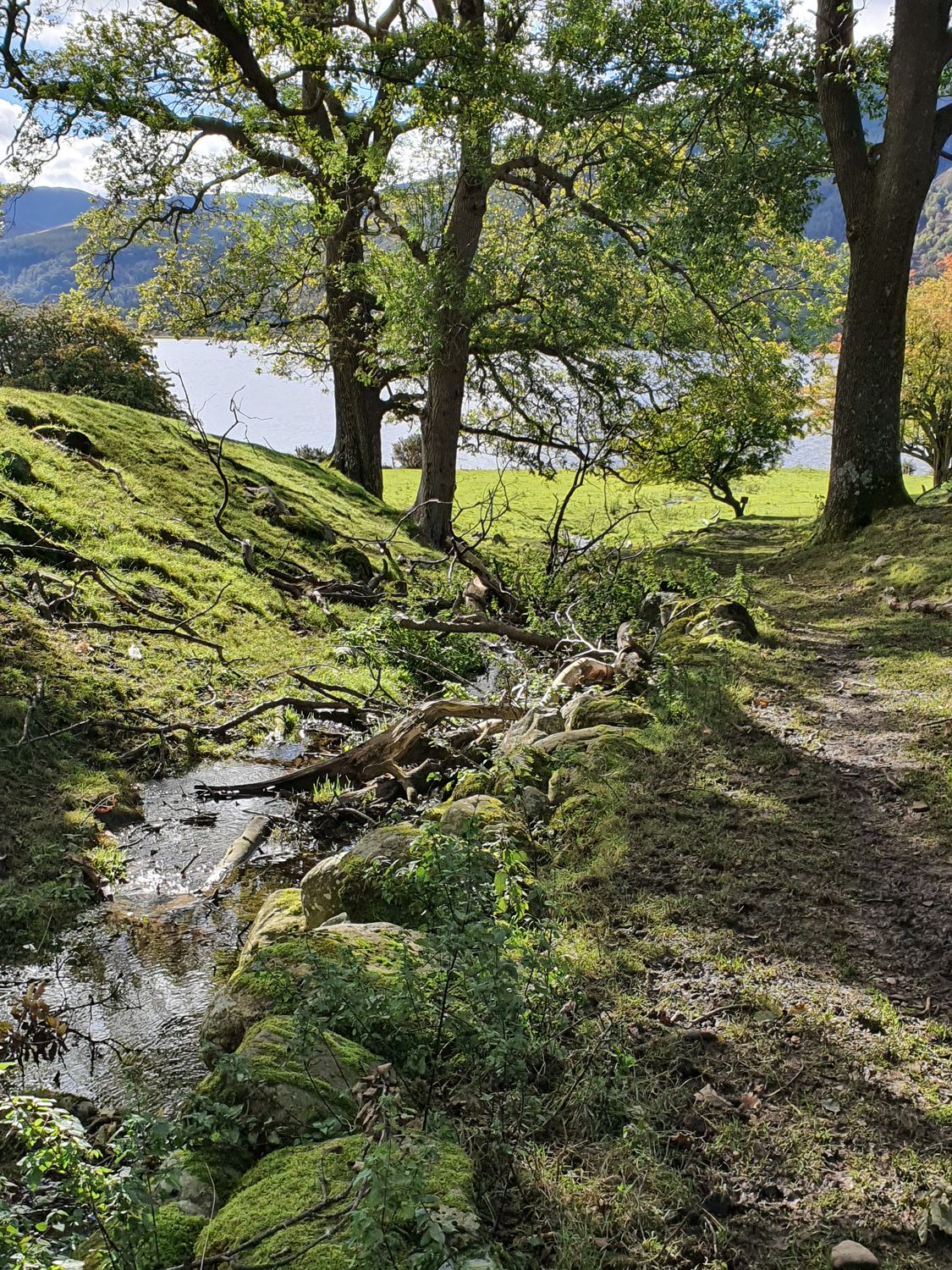
From the house, a path drops down through open parkland to St Bega's — a small, ancient church, older than the house itself, standing completely alone in the fields with sheep for a congregation and Bassenthwaite behind it. It's one of the most quietly extraordinary spots in the northern Lakes, and it's said to have helped shape the imagery of Tennyson's Morte d'Arthur, written up the hill.
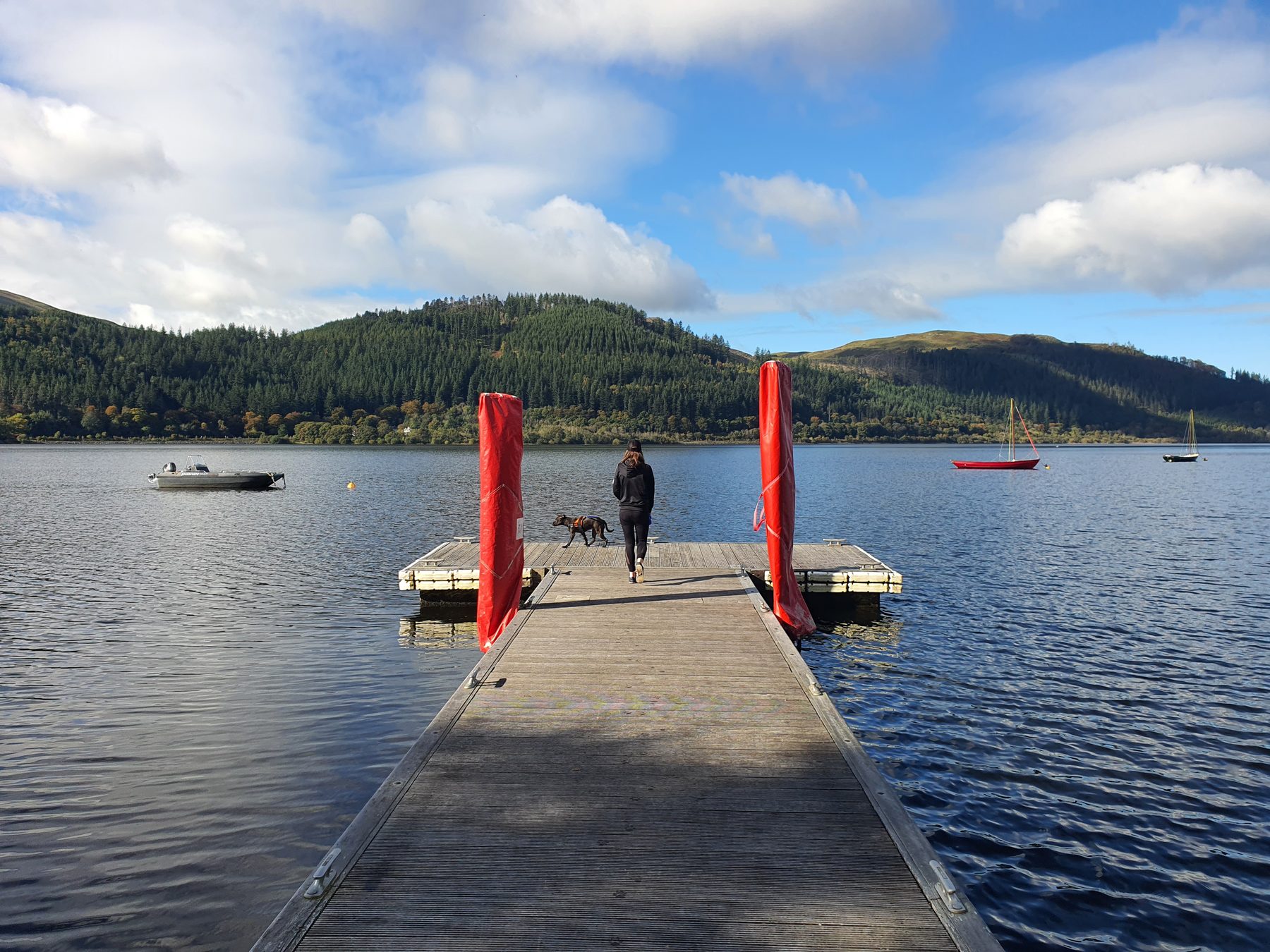
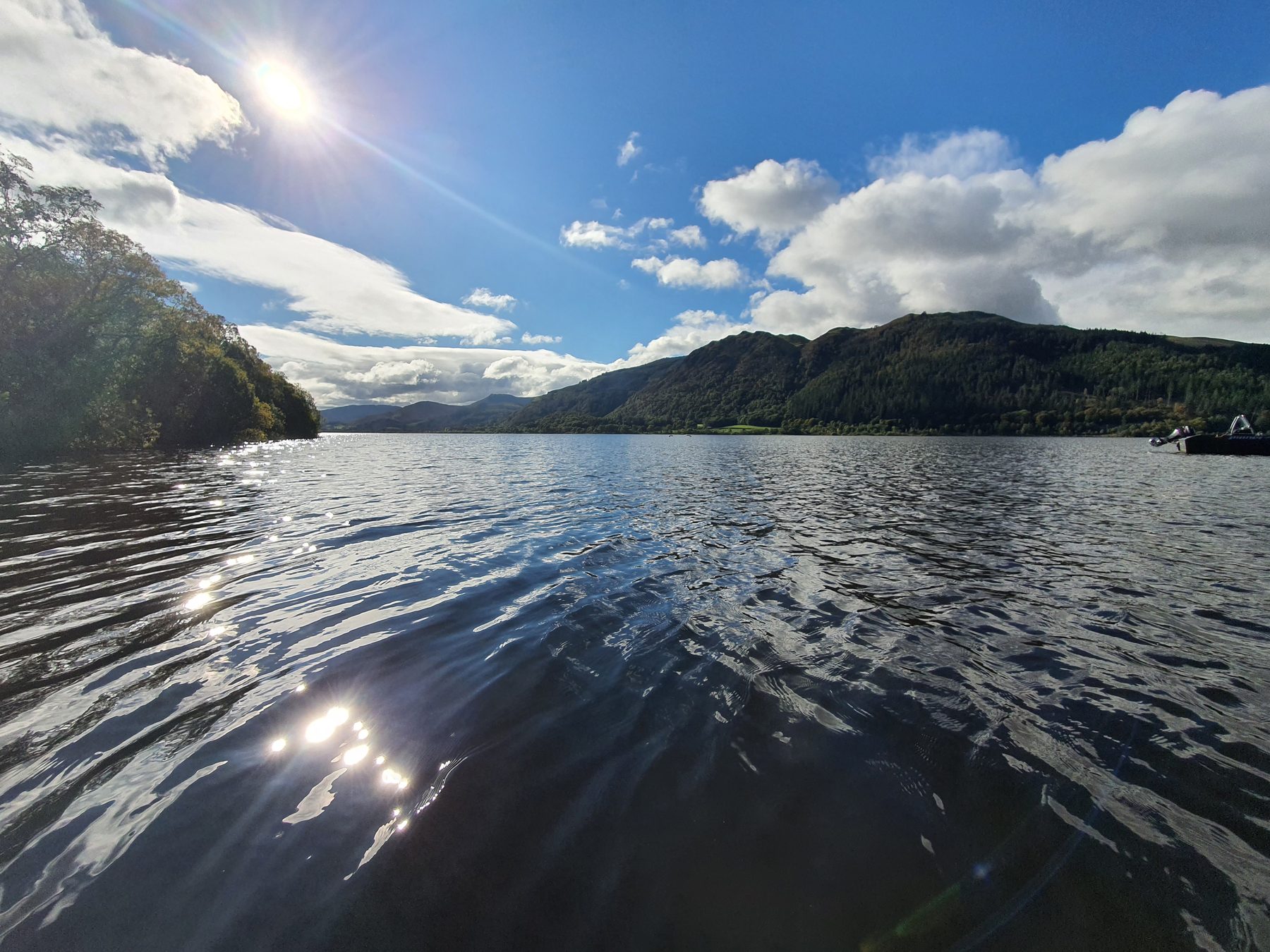
Carry on past the church and you reach the jetty on the Bassenthwaite shore — our standing recommendation for the sit-down-and-eat-your-butties stop, with the lake flat in front of you, Dodd rising behind and, if it's summer, a fair chance of an osprey working the water. The whole loop — house, church, shore and back — is roughly a mile, gentle the entire way.
Eat & drink
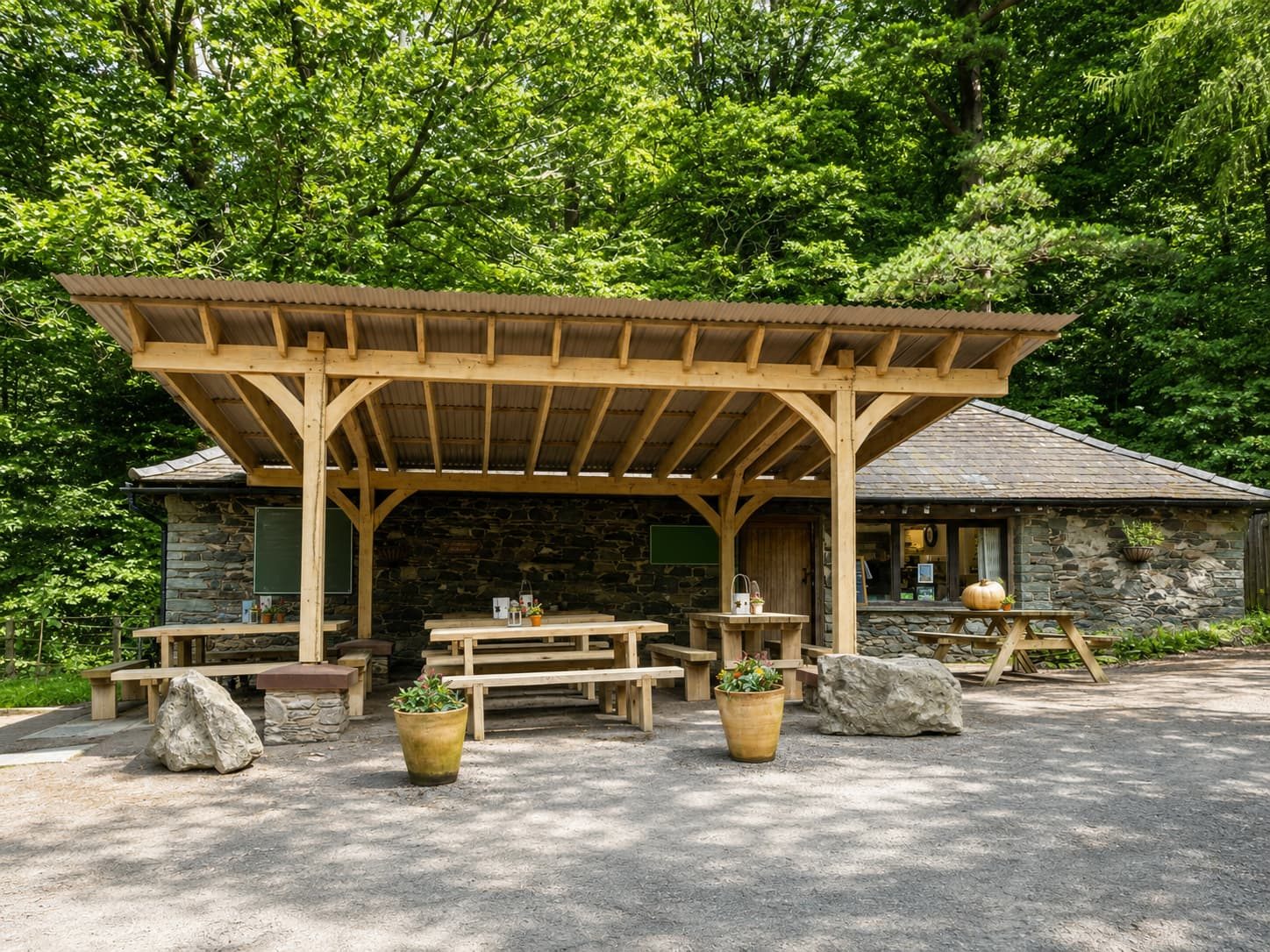
Mirehouse's tearoom sits just across the A591 beside the Dodd Wood car park — in the estate's genuine old sawmill, which is where the name comes from. It's open daily, 10am–4pm, and it doubles as the ticket office for Mirehouse, so you'll be here anyway. Expect proper homemade Cumbrian cooking: the Old Sawmill Cumberland sausage special, walkers' breakfasts, soup and toasted sandwiches, Lakeland ice creams, cakes and scones.
It serves both sides of the road — Mirehouse visitors before or after the grounds, and Dodd Wood walkers coming down off the fell — with a terrace by the beck where dogs are welcome, and the history of the sawmill on the walls. Contact the tearoom directly on 07375 820974.
First-hand — our photos
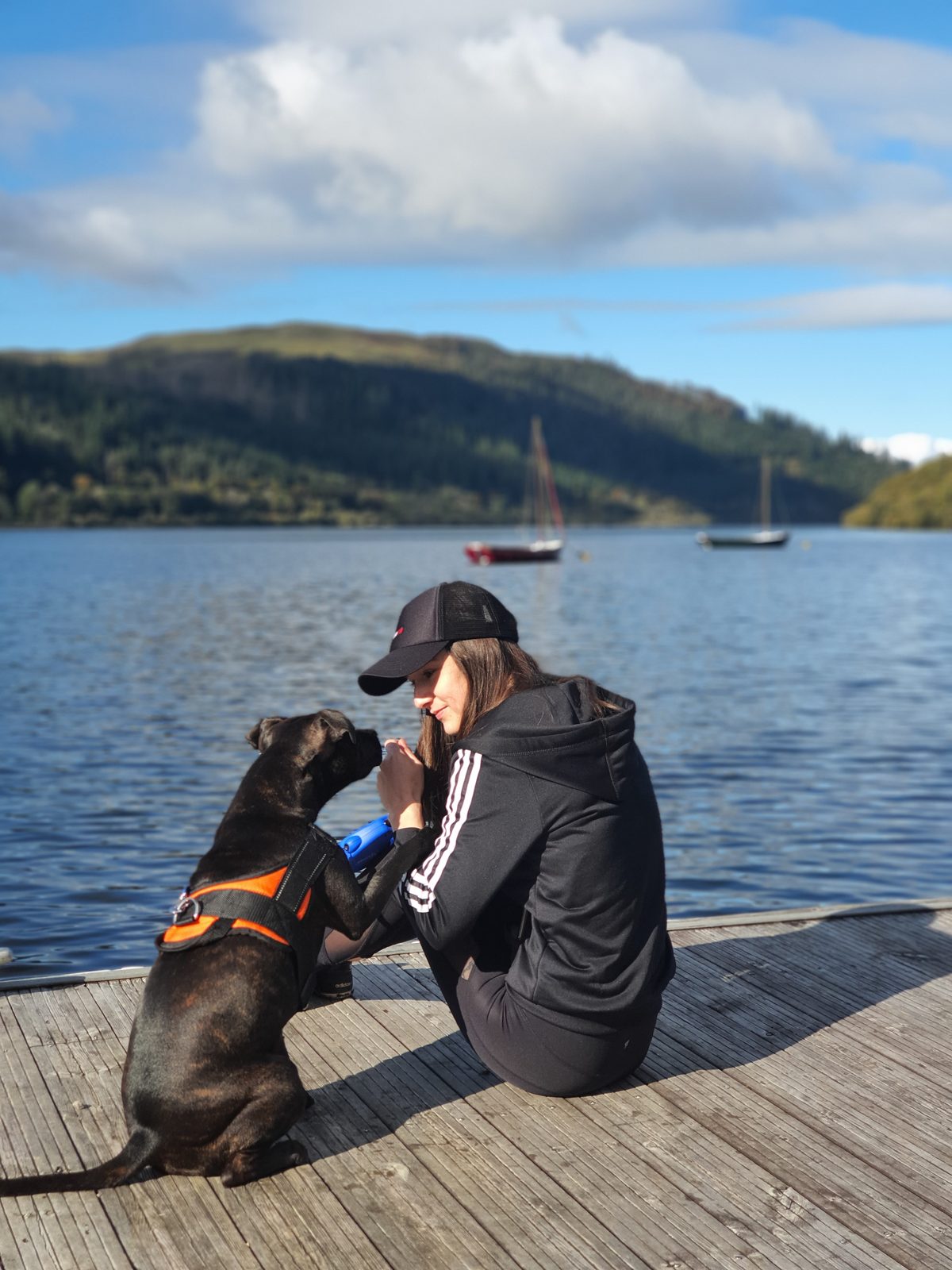
All our own photography from our own visits — the house, the gardens, the grounds and the Bassenthwaite shore. Cass the dog features, on her lead as the rules require.
Plan your visit
Mirehouse is a paid attraction. Opening hours below were verified in July 2026; admission prices change seasonally, so that box is deliberately left for verification against mirehouse.co.uk rather than copied from stale sources.
The 2026 season runs until 31 October (roughly April to the end of October). Check current dates at mirehouse.co.uk, which is where their current dates and admission are published.
2026 opening
Grounds, playgrounds & lakeside walk: daily, 10am–4.30pm.
The house: Wednesday & Thursday afternoons — plus Sundays in August — 1.30pm–4.30pm, last entry 4pm.
Old Sawmill Tearoom (ticket office): daily, 10am–4pm.
Mirehouse is a paid attraction with two tickets — gardens only, or house & gardens. There is a family ticket covering two adults and up to three children, and under-4s go free. Tickets are bought on the day at the Old Sawmill Tearoom opposite; no advance booking is needed.
We don't publish the admission prices here. They change from season to season, and a figure copied from a third-party page is the kind of thing that is wrong by the time you read it. Check the current prices on Mirehouse's own site before you travel.
Admission & opening times at mirehouse.co.ukParking is across the road at the Dodd Wood car park (Forestry England, ANPR pay on exit, card only — there is a short free grace period, then an hourly rate up to an all-day cap; check the signage on arrival, as tariffs change) — cross the A591 on foot with care, it's a fast road. Sat-nav: CA12 4QE. Buses X4 and 555 pass on the A591 (plus the seasonal 73/73A); the full tariff and transport detail are on the Dodd Wood page. Tickets for Mirehouse are bought at the Old Sawmill Tearoom in that car park.
Dogs: welcome in the grounds on a short lead (not in the playgrounds or house); the walks pass through farmland, so give livestock space. Access: the part of the house open to visitors is fully wheelchair accessible, and disabled visitors are welcome to drive down to the house, where there's disabled parking; one carer of a disabled visitor is admitted free. Most grounds paths are gravelled, a wheelchair is available for indoor use, there's an accessible toilet at the car park, and guide dogs are welcome in the house and tearoom. A detailed access leaflet is available from the tearoom. Payment: cards and contactless accepted. For anything we have not covered, contact Mirehouse directly via mirehouse.co.uk.
Directly opposite
They share a car park and face each other across the A591 — the free forest climb to Dodd's 502 m summit (a Wainwright) with ospreys over the lake in summer, and the paid house-and-gardens half-day on this side. Morning fell, afternoon gardens, tearoom in between. That's the day.
Common questions
Explore more
Everything within a short hop of the Mirehouse gate.
The free forest walk to a Wainwright summit, with ospreys over the lake. Free walk
The northern Lakes hub — Derwentwater, Catbells and the market square.
Bassenthwaite is the only official "lake" of the 16 — the full sortable list.
Local, first-hand, our own photos — how and why we write these guides.