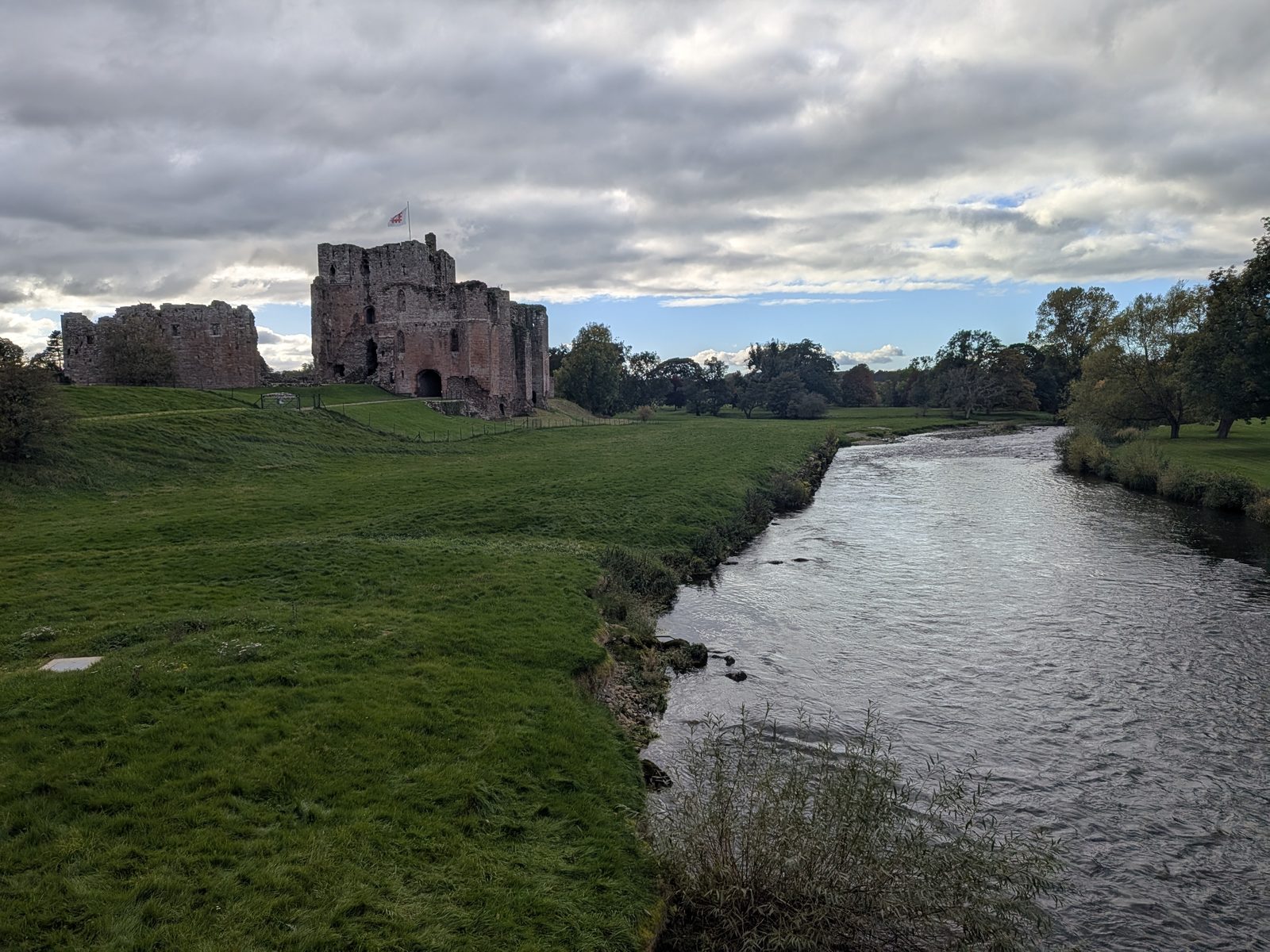
Brougham Castle's red sandstone keep and ruins seen across the River Eamont near Penrith
English Heritage · River Eamont · 13th century

Brougham Castle, Penrith

A red sandstone castle on the River Eamont, about 2 miles from Penrith, restored by Lady Anne Clifford and climbable to the top of the keep. Where to park, what it costs to get in, and its story.

Written by Peter Visited Sunday 18 October 2026
1200s
Founded early 13th century
4
Storeys in the keep
1676
Lady Anne Clifford died here
~2 mi
From Penrith
Is it free? Parking History Lady Anne Clifford The keep Drinks, toilets, dogs FAQ

South-east of Penrith

Brougham Castle

Brougham Castle is the red sandstone ruin on the River Eamont, about 2 miles south-east of Penrith. English Heritage looks after it. In its words, the castle stands near the site of a Roman fort, guarding a strategic river crossing.

We have been inside on earlier visits. On Sunday 18 October 2026 we walked past it on our Eamont Bridge circular and photographed it from outside, from the fields and from across the river. Every photo on this page is from that day.

The question everyone asks

Is Brougham Castle free?

No. There is an admission charge, and English Heritage members get in free. We don't print the prices or the opening times because both change through the season. English Heritage's Brougham Castle page has the current ones.

You can see a lot of the castle for nothing from the fields and the riverbank. If you only want a look and a photo, the walk past it is free. Nearby, Brougham Hall and the two henges at Eamont Bridge cost nothing to visit either.

Before you get out of the car

Brougham Castle parking

There is no car park. English Heritage says there is no parking on site, but roadside parking is possible nearby.

Where to park. There is an informal spot on a dead-end triangle just off the bridge by the castle, at ///branch.complain.crinkled. It isn't an official car park, so leave room for anyone getting past.
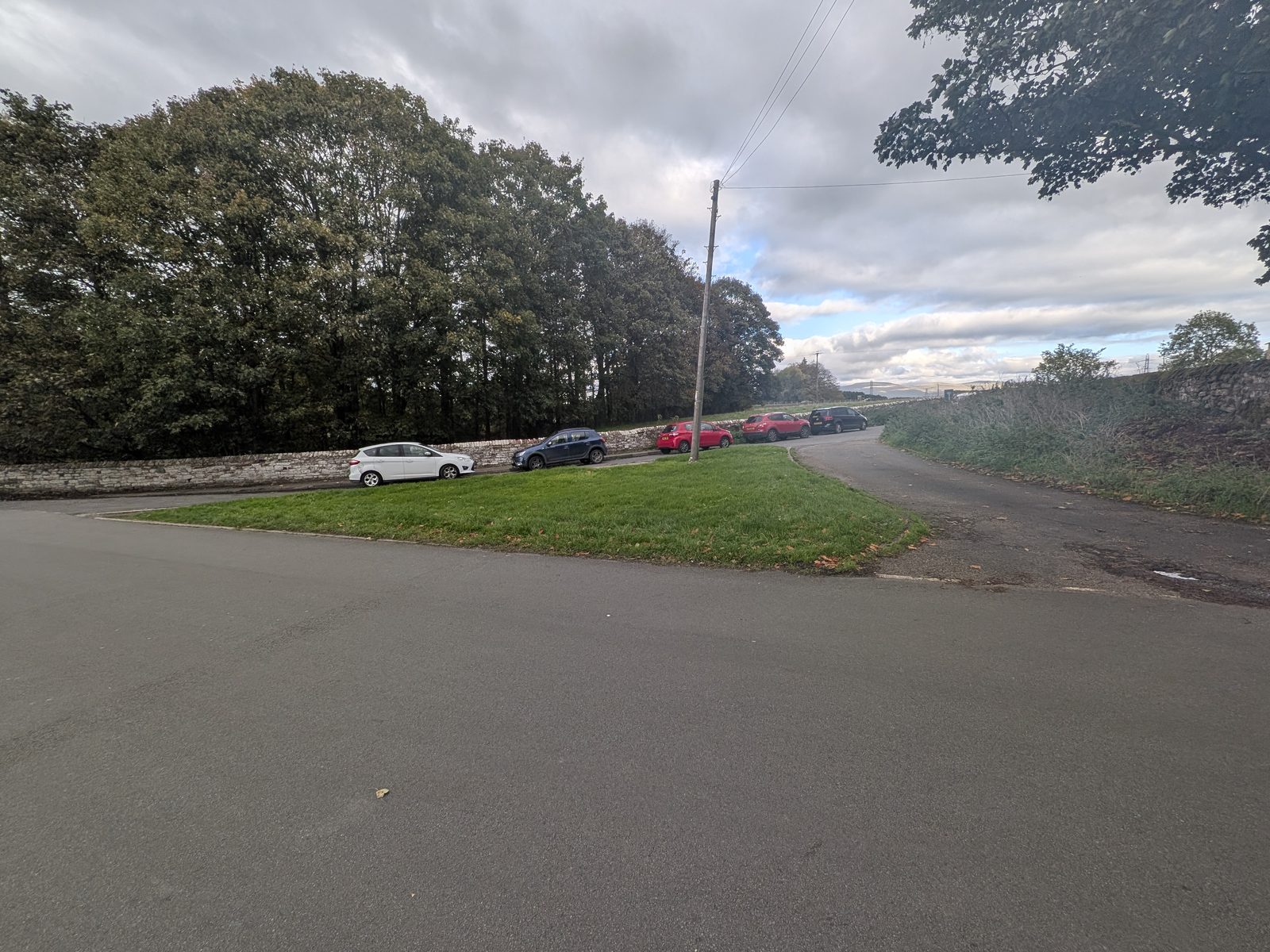
Cars parked along a stone wall on the dead-end triangle by the bridge at Brougham Castle
The dead-end triangle by the bridge, where we parked for the castle.

Or walk in. Brougham Hall has a free car park and the castle is a short walk from it. So are the henges at Eamont Bridge, where our circular walk starts.

Eight hundred years

The history of Brougham Castle

The Romans were here first. The castle sits near where the Eamont and the Lowther meet. Wikipedia says the Romans built a fort here called Brocavum, where three Roman roads met, and that the castle went up in the northern part of the old fort. The name Brougham, it adds, means "the village by the fort". English Heritage counts that Roman fort among the possible sites of the meeting of kings in 927, usually taken as the founding of England; see Eamont Bridge and the birth of England for the story and the 1,100th anniversary festival in July 2027.

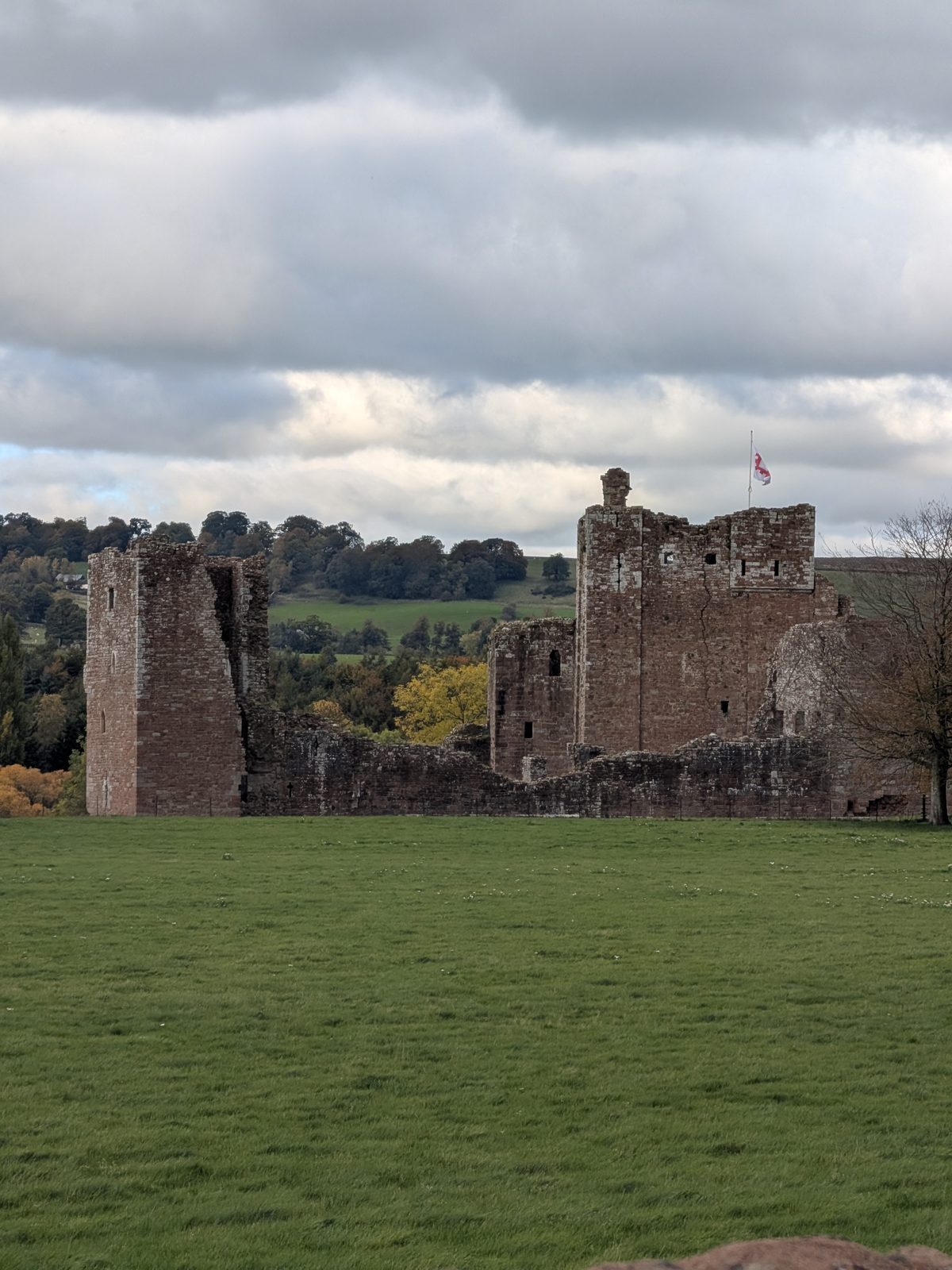
English Heritage says the castle was founded in the early 13th century by Robert de Vieuxpont, King John's agent. His great keep still dominates it.

The tall red sandstone keep of Brougham Castle and its ruined walls across a green field, with a flag flying
The keep across the field.

By 1269, according to Wikipedia, the castle had passed by marriage to the Clifford family, and it stayed with them for centuries. English Heritage calls them lords of Cumberland and Wardens of the Marches. They added the buildings round the keep, including an unusual double gatehouse and the Tower of League. Wikipedia records two royal visits: Edward I in 1300, and James I in 1617.

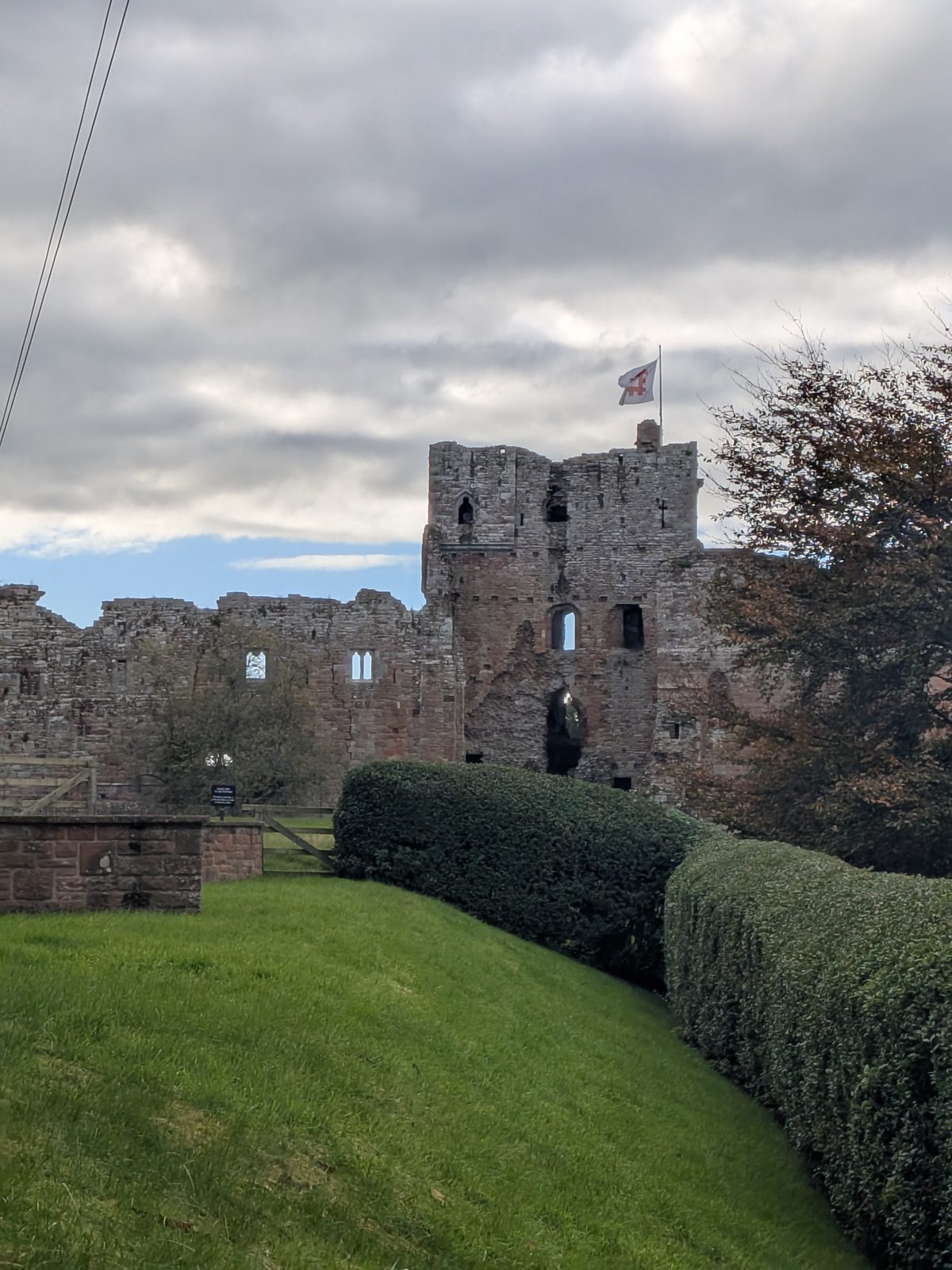
The gatehouse of Brougham Castle above a clipped hedge and a grass bank
The gatehouse, from beside the hedge.

English Heritage says the castle fell into decay after 1617. Lady Anne Clifford brought it back (more on her below). After her death it declined again: Wikipedia says the contents were sold off in 1714, and that the ruin later inspired a painting by J. M. W. Turner and a mention at the start of Wordsworth's The Prelude. In 1927, Wikipedia says, its owner handed it into the care of the Office of Works.

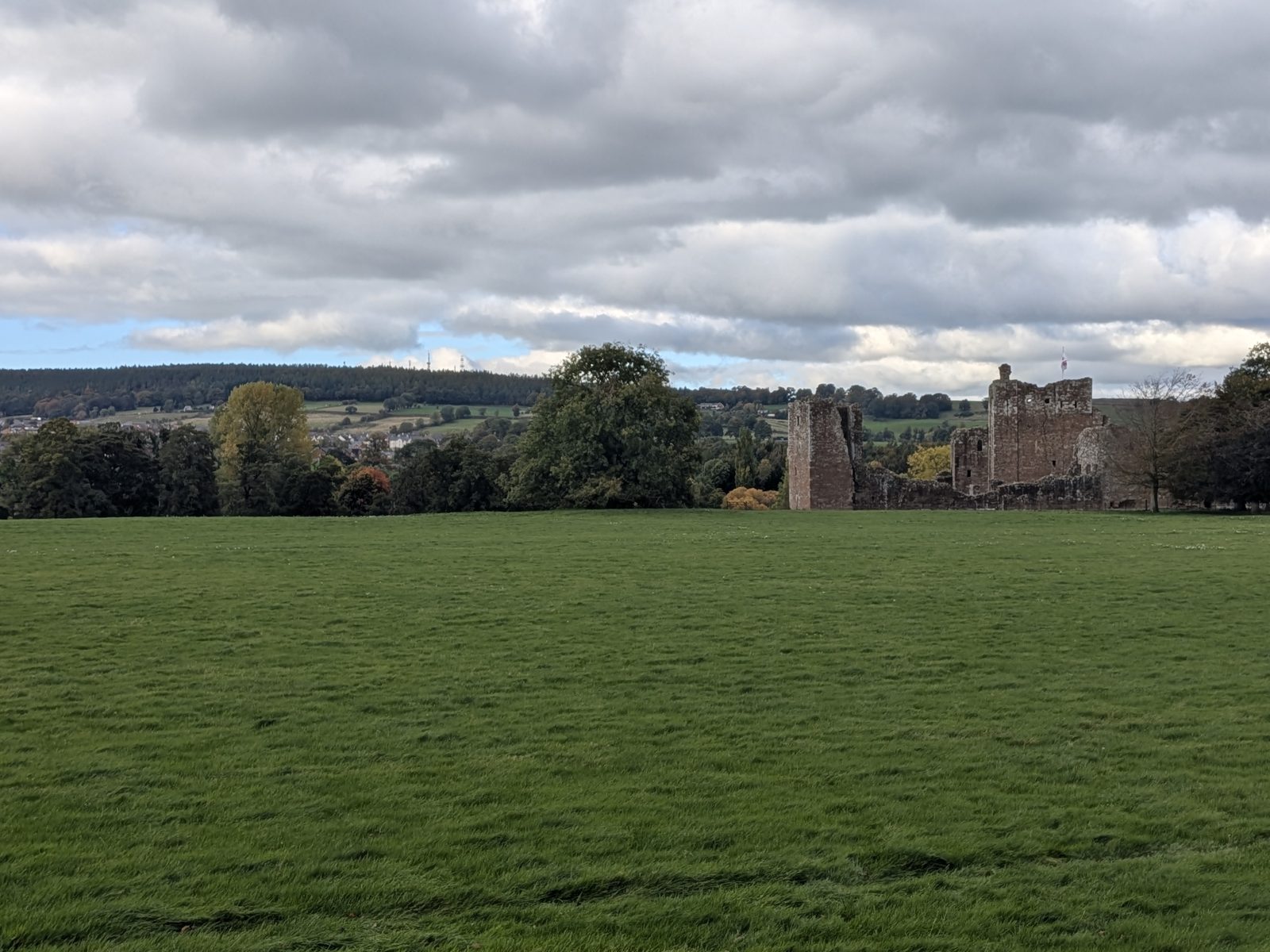
Brougham Castle on the skyline at the far side of a wide green field, with a town and wooded hill in the distance
The castle from across the fields.

The woman who rebuilt it

Lady Anne Clifford at Brougham

Lady Anne Clifford fought for 29 years to win her family's northern estates, and won them in 1643. Brougham, Appleby and Brough castles came with them. She began repairing Brougham in 1650, and Wikipedia says the work was mostly done by 1653. English Heritage calls her "the indomitable Lady Anne Clifford", and there is an exhibition about her life inside the castle.

She died at Brougham Castle in 1676.

She left her mark on Brougham Hall too, down the road: she rebuilt its chapel.

The Countess Pillar

About half a mile from the castle stands the Countess Pillar, which English Heritage says Lady Anne put up in 1656 to mark the last time she saw her mother, in 1616. Money was given to the poor on the anniversary, on the low stone beside it. English Heritage has listed it as closed for nearby National Highways work, so check its page before you go.

Inside the castle

Climbing the keep

The keep is four storeys high. English Heritage says you can climb the spiral stairs to the top for panoramic views over the Eden Valley and the earthworks of the Roman fort of Brocavum next door. With its complex of passages and spiral stairways, English Heritage calls it a fascinating castle to explore.

The exhibition about Lady Anne includes stone carvings from the Roman fort and some later pottery finds.

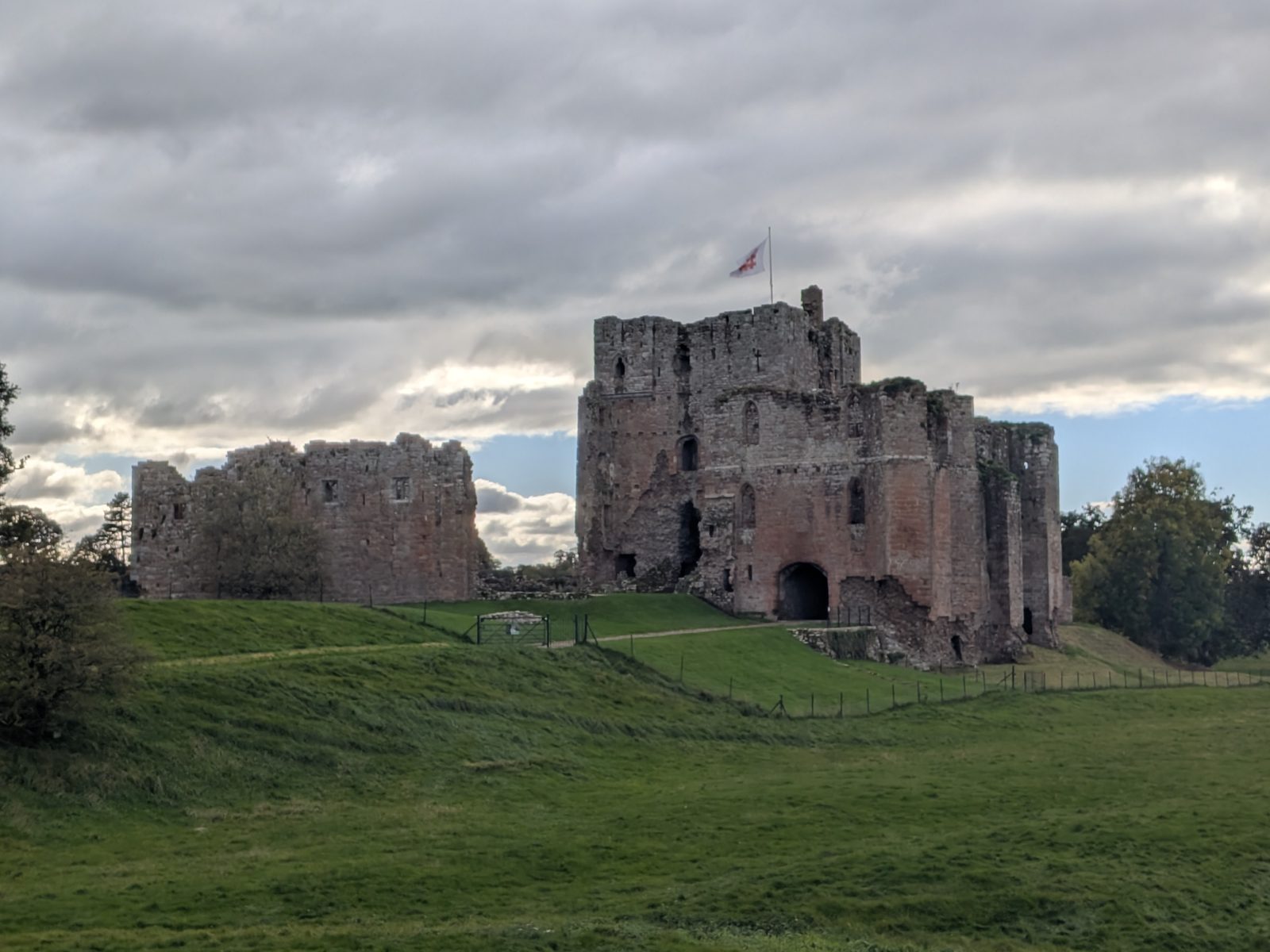
The ruined keep and gatehouse of Brougham Castle on a grass bank, with a flag flying from the keep
The keep and the gatehouse.

Practical bits

Is there a café at Brougham Castle?

Drinks, toilets, picnics

Not a café as such. English Heritage says the shop on site serves tea, coffee and hot chocolate, with cold drinks and snacks. There are toilets, and two picnic benches inside the ruins. For a sit-down café, the Hideaway Café at Brougham Hall is a short walk away.

Dogs

Dogs on leads are welcome, says English Heritage, but not on the private land by the river. The river itself is on private land, so there is no access to it from the castle.

Make an afternoon of it

Brougham Castle, the hall and the henges

The castle is one of four places on our Eamont Bridge circular walk, 4.6 miles with the two henges, Brougham Hall and the castle, and the riverside fields back.

Is it worth visiting? Yes. It is a proper castle to climb about in, a couple of miles from Penrith, and the view of it across the Eamont is one of the best photos round here. Go in if you can; if not, the walk past is free.

Good to know

Brougham Castle FAQ

Is Brougham Castle free?
No. Brougham Castle is an English Heritage site with an admission charge, and entry is free for English Heritage members. Opening times change through the season, so check English Heritage's Brougham Castle page before you go.
Where do you park for Brougham Castle?
English Heritage says there is no parking on site, but roadside parking is possible nearby. We parked on a dead-end triangle just off the bridge by the castle, what3words ///branch.complain.crinkled. It is an informal spot, not a car park.
Is there a café at Brougham Castle?
Not a café as such. English Heritage says the shop on site serves tea, coffee and hot chocolate, with cold drinks and snacks, and there are toilets and two picnic benches. For a proper café, the Hideaway Café at Brougham Hall is a short walk away.
Who built Brougham Castle?
English Heritage says Brougham Castle was founded in the early 13th century by Robert de Vieuxpont, King John's agent. The Clifford family added to it, and Lady Anne Clifford restored it in the 1650s after it had fallen into decay. She died at Brougham Castle in 1676.
Is Brougham Castle worth visiting?
Yes. It is a big red sandstone ruin on the River Eamont, about 2 miles from Penrith, with a keep you can climb for views over the Eden Valley. Pair it with Brougham Hall and the two henges at Eamont Bridge on our circular walk.

Keep exploring

More around Penrith